Does Exterior Building Cleaning use pressure washing?
Keeping a building clean is important for maintaining its appearance, protecting its exterior materials, and creating a welcoming environment for visitors, employees, and residents. Over time, outdoor surfaces collect dust, dirt, pollution, bird droppings, mold, mildew, and other unwanted substances. These contaminants can make even a well-maintained property look old and neglected. 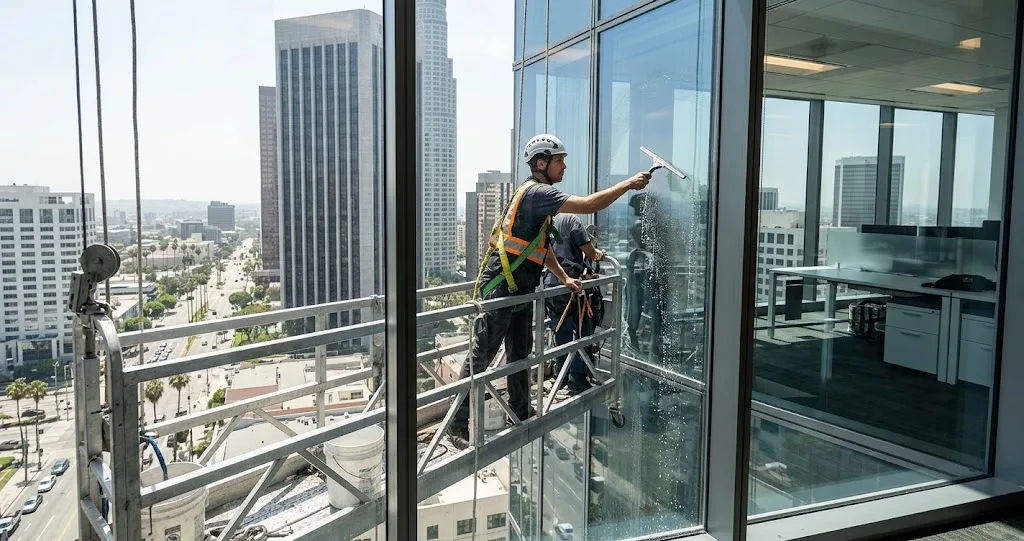 One common question property owners ask is whether Exterior Building Cleaning uses pressure washing to remove these materials effectively.
Pressure washing is a popular cleaning method because it uses controlled water pressure to remove stubborn dirt from different surfaces. However, it is not suitable for every building material or exterior area. Some surfaces require lower pressure, specialized cleaning solutions, or completely different cleaning techniques to prevent damage.
Understanding how pressure washing works, when professionals use it, and which alternatives are available can help property owners make better maintenance decisions. This guide explains the relationship between exterior cleaning and pressure washing, including its benefits, limitations, safety considerations, and professional cleaning methods.
What Is Exterior Building Cleaning?
Exterior building cleaning refers to the process of removing dirt, stains, pollution, biological growth, and other contaminants from the outside surfaces of residential, commercial, and industrial buildings.
Unlike ordinary household cleaning, this process often involves specialized equipment, trained professionals, and cleaning products designed for outdoor materials.
The purpose is not simply to improve appearance. Regular cleaning also helps protect exterior surfaces from long-term deterioration.
Common Areas Included in Exterior Cleaning
Professional cleaning services may cover several parts of a property, depending on its construction and maintenance requirements.
Common areas include:
-
Exterior walls and facades
-
Windows and glass panels
-
Concrete walkways and driveways
-
Building entrances and stairways
-
Roof edges and gutters
-
Balconies and exterior railings
-
Parking areas and loading zones
-
Stone, brick, and metal surfaces
Each area may require a different cleaning method because materials react differently to water pressure, chemicals, and physical cleaning.
Why Regular Exterior Maintenance Matters
Outdoor surfaces remain exposed to changing weather conditions throughout the year. Rain, sunlight, wind, and airborne pollution gradually affect their appearance.
Dust and grime can accumulate on walls, while moisture may encourage mold and mildew growth in shaded areas.
Regular cleaning helps remove these contaminants before they become difficult to manage. It can also make routine inspections easier because clean surfaces allow property owners to identify cracks, damaged coatings, and other maintenance problems.
Does Exterior Building Cleaning Use Pressure Washing?
Yes, pressure washing is commonly used in Exterior Building Cleaning, but it is not the only available method.
Professional cleaners use pressure washing when a surface can safely handle the force of pressurized water. It is particularly useful for removing stubborn dirt from durable materials such as concrete, certain masonry surfaces, and some exterior walkways.
However, experienced cleaners do not automatically apply high pressure to every building surface.
The correct approach depends on several factors, including:
-
The building material
-
The age and condition of the surface
-
The type of dirt or staining
-
The presence of paint or protective coatings
-
The amount of cleaning required
-
The possibility of water entering the building
For example, a concrete driveway may tolerate a relatively powerful cleaning process, while painted wood siding may require a much gentler approach.
The main objective is to achieve effective cleaning without damaging the building.
How Does Pressure Washing Work?
Pressure washing uses specialized equipment to push water through a narrow nozzle at a controlled pressure.
The force of the water helps loosen and remove dirt, mud, dust, algae, and other contaminants from exterior surfaces.
A typical pressure-washing system includes a motor or pump, water supply, high-pressure hose, spray gun, and interchangeable nozzles.
The Cleaning Process
Professional cleaners generally follow a structured process.
1. Surface inspection
Before starting, technicians inspect the exterior material to identify weak areas, cracks, loose paint, damaged seals, and other potential problems.
2. Equipment selection
They choose suitable equipment and nozzle settings based on the surface and the type of contamination.
3. Preparation
Nearby windows, electrical components, outdoor furniture, plants, and sensitive areas may need protection.
4. Cleaning application
Water is applied using controlled pressure and an appropriate spraying technique.
5. Final inspection
After cleaning, professionals check whether dirt and stains have been removed and whether additional treatment is necessary.
This process helps produce consistent results while reducing the possibility of unnecessary surface damage.
Which Building Surfaces Can Be Pressure Washed?
Not every exterior material responds to pressure washing in the same way. Understanding these differences is essential when choosing an appropriate cleaning method.
Concrete Surfaces
Concrete is generally one of the more suitable materials for pressure washing.
Driveways, sidewalks, loading areas, and outdoor parking spaces frequently collect oil stains, mud, tire marks, and general dirt.
Professional pressure washing can help remove these contaminants and restore a cleaner appearance.
However, older or damaged concrete may require reduced pressure to avoid surface erosion.
Brick and Masonry
Brick walls can also benefit from professional cleaning, but extra care is necessary.
Older mortar joints may be weak, and excessive pressure can damage the material or force water into small openings.
Professionals may use lower pressure and suitable cleaning solutions to remove dirt without harming the masonry.
Metal Building Exteriors
Metal panels and certain exterior fixtures can often be cleaned with controlled water pressure.
However, technicians must consider protective coatings, rust, loose paint, and existing damage.
Using an unsuitable cleaning approach may affect the finish or expose vulnerable areas.
Painted Surfaces
Painted exterior walls generally require more careful treatment.
High-pressure water can remove loose paint, damage coatings, or force moisture behind exterior materials.
For this reason, professionals often prefer soft washing or low-pressure cleaning when working with painted surfaces.
Glass and Windows
Glass surfaces require specialized cleaning methods.
Although water pressure may be useful in certain carefully controlled situations, direct high-pressure spraying can damage seals, frames, or surrounding components.
Professional window cleaning usually involves purified water systems, suitable tools, and specialized techniques.
What Is the Difference Between Pressure Washing and Soft Washing?
Pressure washing and soft washing are two different approaches used in exterior maintenance.
Both involve water, but they differ in how cleaning power is applied.
Pressure Washing
Pressure washing relies mainly on mechanical water force to remove dirt and surface contaminants.
It is often appropriate for:
-
Concrete surfaces
-
Durable outdoor flooring
-
Certain masonry areas
-
Some exterior metal surfaces
-
Heavily soiled walkways
The equipment must be adjusted according to the surface condition.
Soft Washing
Soft washing uses low-pressure water combined with suitable cleaning solutions.
Instead of relying primarily on water force, it uses cleaning products to loosen or treat contaminants.
It may be appropriate for:
-
Painted exterior walls
-
Delicate siding
-
Certain roof materials
-
Areas affected by algae or mildew
-
Sensitive architectural finishes
Which Method Is Better?
Neither method is automatically better in every situation.
Pressure washing may be more effective for removing heavy surface dirt from durable materials. Soft washing may be safer for delicate surfaces and biological growth.
A professional assessment helps determine which approach is appropriate for each part of the building.
What Are the Benefits of Using Pressure Washing?
When performed correctly, pressure washing provides several benefits for building owners and property managers.
Removes Stubborn Dirt
Ordinary rinsing may not remove deeply embedded dirt from concrete and other durable materials.
Pressure washing provides additional cleaning force that helps loosen stubborn contaminants.
This can make entrances, walkways, and outdoor areas look significantly cleaner.
Improves Building Appearance
Dirt, stains, and pollution can affect the overall appearance of a property.
Professional cleaning helps restore the original look of many exterior materials.
A cleaner building can create a more welcoming impression for customers, employees, residents, and visitors.
Helps Manage Algae and Mildew
Moist and shaded areas may develop algae, mildew, and similar growth.
Pressure washing can remove some surface buildup, although biological contamination may require an appropriate cleaning treatment.
Simply removing visible growth may not address the underlying moisture conditions.
Supports Routine Maintenance
Regular exterior cleaning makes it easier to identify surface damage.
For example, cleaning may reveal cracks, loose paint, deteriorating mortar, and other problems that were previously hidden beneath dirt.
Identifying these issues early can help property owners arrange suitable repairs.
Improves Outdoor Areas
Walkways, entrances, and parking spaces are frequently used by visitors and employees.
Removing accumulated dirt and certain slippery contaminants can support better maintenance of these spaces.
However, cleaning alone cannot guarantee that every surface will be slip-resistant.
Can Pressure Washing Damage a Building?
Yes, improper pressure washing can damage exterior materials.
The main risk comes from using excessive pressure, unsuitable equipment, or incorrect cleaning techniques.
Possible Types of Damage
Some potential problems include:
-
Removal of exterior paint
-
Damage to weak mortar joints
-
Water entering wall openings
-
Damaged window seals
-
Surface erosion
-
Scratches or marks on delicate finishes
-
Damage to electrical fixtures
-
Moisture problems behind exterior panels
These issues are more likely when technicians fail to inspect the building before starting.
How Professionals Reduce Damage
Experienced cleaning teams take several precautions.
They inspect the building, identify vulnerable materials, and choose appropriate equipment settings.
They also maintain suitable distances from surfaces and avoid directing water toward openings, electrical components, or damaged areas.
For sensitive materials, they may recommend soft washing or manual cleaning instead.
Is Pressure Washing Suitable for High-Rise Buildings?
High-rise properties require additional planning because their exterior surfaces can be difficult to access.
Buildings with many floors may have glass facades, metal panels, concrete sections, and decorative architectural features.
Using ordinary ground-level pressure-washing equipment is not necessarily suitable for these structures.
Specialized Cleaning Equipment
Depending on the building design, professional teams may use:
-
Water-fed pole systems
-
Specialized access platforms
-
Rope-access equipment operated by qualified professionals
-
Building maintenance units
-
Low-pressure cleaning systems
The appropriate equipment depends on the building's height, design, access arrangements, and surface materials.
Why High-Rise Cleaning Requires Planning
High-rise cleaning involves more than selecting a water pressure setting.
Professionals must consider worker safety, weather conditions, pedestrian movement, surrounding properties, and water management.
Pressure washing may be appropriate for selected durable areas, but glass facades and delicate exterior finishes generally need specialized treatment.
What Factors Determine the Right Cleaning Method?
Several considerations help professionals decide whether pressure washing is appropriate.
Building Material
The material is one of the most important factors.
Concrete, brick, glass, painted wood, metal, and decorative stone have different cleaning requirements.
A method suitable for one material may damage another.
Type of Contamination
Different contaminants require different treatments.
Loose dust may need only water rinsing, while oil stains, mineral deposits, and biological growth may require specialized cleaning products.
Surface Condition
Older buildings may have cracks, weakened joints, deteriorating coatings, or previous repairs.
These conditions can make high-pressure cleaning unsuitable.
Weather Conditions
Weather can influence cleaning results and workplace safety.
Strong winds, heavy rain, and extreme temperatures may affect equipment handling and drying conditions.
Professionals consider these factors before scheduling outdoor cleaning.
Environmental Requirements
Cleaning activities can produce wastewater containing dirt, detergents, oils, and other contaminants.
Property managers should ensure that wastewater is handled according to applicable local requirements.
How Often Should a Building Exterior Be Pressure Washed?
There is no single cleaning schedule suitable for every property.
The ideal frequency depends on the building's location, surrounding environment, construction materials, and exposure to pollution.
Residential Properties
Homes in relatively clean environments may need exterior washing less frequently.
Properties near busy roads, construction sites, or dusty areas may require more regular attention.
Commercial Buildings
Commercial properties often receive greater attention because their appearance affects customer impressions.
Entrances, sidewalks, and frequently used outdoor spaces may need cleaning more often than less exposed exterior areas.
Industrial Buildings
Industrial properties may experience grease, dust, chemical residue, and heavy outdoor contamination.
Their cleaning schedules should reflect the type of activity taking place and the materials involved.
A professional inspection can help establish a practical maintenance plan.
Should You Hire Professional Exterior Cleaning Services?
For small, accessible areas, basic cleaning may be manageable for property owners.
However, large buildings, delicate materials, and hard-to-reach surfaces often require professional assistance.
Professional Exterior Building Cleaning services bring equipment, experience, and knowledge of different surface requirements.
Benefits of Hiring Professionals
Proper equipment: Professional teams have access to different cleaning systems for various building materials.
Surface knowledge: Experienced technicians can recognize when pressure washing is unsuitable.
Time efficiency: Larger cleaning projects can be completed using organized methods and appropriate equipment.
Safety planning: Professionals can establish access arrangements, work areas, and protective measures.
Consistent results: A planned cleaning process helps maintain a uniform appearance across different exterior sections.
Questions to Ask Before Hiring a Cleaning Company
Before selecting a service provider, consider asking:
-
Do you inspect surfaces before choosing a cleaning method?
-
Do you provide both pressure washing and soft washing?
-
Are your technicians trained for the required cleaning work?
-
What precautions do you take around windows and electrical fixtures?
-
How do you manage wastewater?
-
Do you provide insurance documentation?
-
Can you explain which areas will be included in the service?
These questions can help you understand the company's experience and approach.
Is Pressure Washing Environmentally Friendly?
Pressure washing can be part of an environmentally responsible maintenance program, but its impact depends on how the work is performed.
Water consumption, cleaning products, and wastewater management all matter.
Responsible Water Usage
Professional cleaners can use suitable equipment and controlled cleaning techniques to avoid unnecessary water consumption.
The goal is to apply only the amount of water needed for the cleaning task.
Choosing Appropriate Cleaning Products
Some exterior contaminants require detergents or specialized cleaning solutions.
Property owners should ask whether the products are suitable for the surface and whether they meet relevant environmental requirements.
Proper Wastewater Management
Water from exterior cleaning may carry pollutants into nearby drainage systems.
Responsible service providers consider wastewater collection, disposal, and local regulations before starting a project.
These measures help reduce environmental concerns while maintaining effective cleaning standards.
Conclusion
So, does Exterior Building Cleaning use pressure washing? Yes, pressure washing is an important technique used by professional cleaning companies, particularly when removing stubborn dirt, grime, and other contaminants from durable exterior surfaces.
However, it is not the correct solution for every building material. Concrete, certain masonry areas, and some metal surfaces may benefit from controlled pressure washing, while painted walls, delicate siding, glass, and sensitive architectural finishes often require gentler methods.
The most important factor is selecting a cleaning technique that matches the building's materials, condition, and cleaning requirements. Professional technicians inspect exterior surfaces, choose suitable equipment, and take precautions to reduce the possibility of damage.
Property owners should also consider cleaning frequency, environmental responsibilities, worker safety, and regular maintenance when planning an exterior cleaning project.
Ultimately, Exterior Building Cleaning is about more than removing visible dirt. It involves protecting building materials, maintaining an attractive appearance, and supporting the long-term condition of the property. By understanding the differences between pressure washing and soft washing, property owners can make informed decisions and choose a cleaning service that delivers safe, effective, and lasting results.