what vitamins are used in hangover IV therapy?
Hangover IV therapy has gained significant popularity in recent years as a quick solution for alleviating the unpleasant effects of excessive alcohol consumption. Unlike traditional remedies, which involve drinking water, eating greasy food, or taking over-the-counter painkillers, hangover IV therapy offers a more direct approach.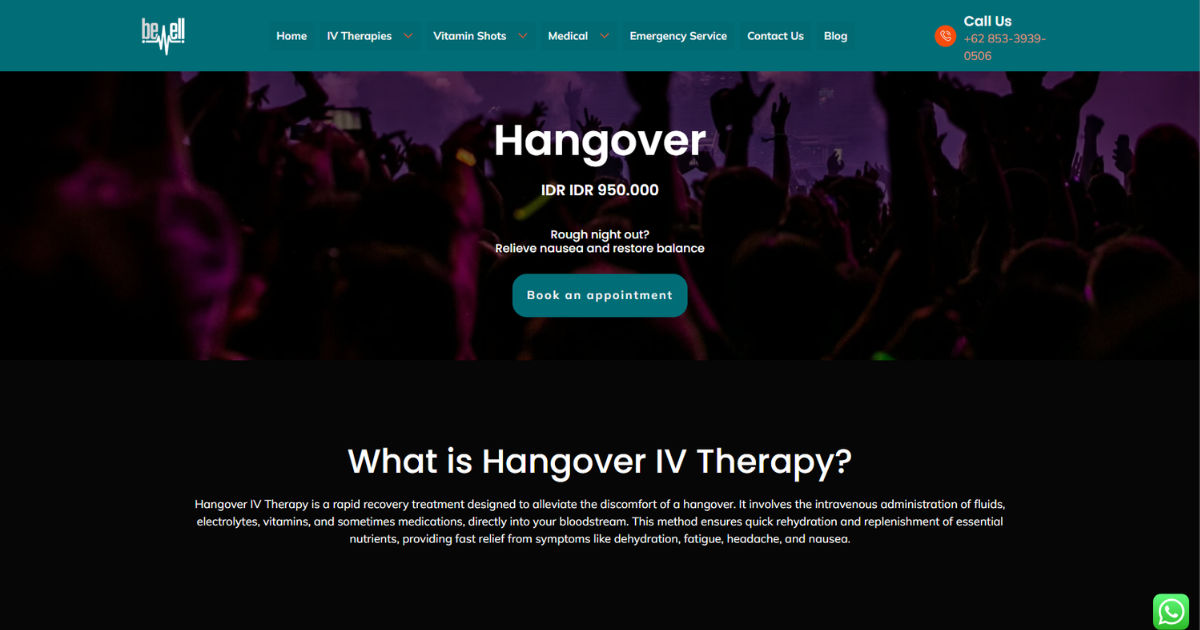
This therapy involves the intravenous administration of fluids, vitamins, and minerals, designed to replenish the body’s depleted nutrients and restore hydration.
People often wonder, what vitamins are used in hangover IV therapy? Understanding the vitamins and nutrients involved is essential to appreciating how this treatment works and why it can be effective for combating hangover symptoms.
Why Hangover IV Therapy Works
To understand hangover IV therapy, it’s important to first understand what happens to the body after heavy drinking. Alcohol is a diuretic, which means it increases urine production and leads to dehydration. Dehydration contributes to symptoms like headache, fatigue, and dizziness. Alcohol also affects the liver, reducing its ability to process toxins effectively, and depletes essential nutrients in the body.
Hangover IV therapy works by directly delivering fluids and vitamins into the bloodstream, bypassing the digestive system. This ensures faster absorption and quicker relief from symptoms. Instead of waiting for the stomach and intestines to absorb nutrients, the body receives them almost immediately, making hangover IV therapy a preferred method for those seeking rapid recovery.
Essential Vitamins in Hangover IV Therapy
Several vitamins are commonly used in hangover IV therapy. These vitamins help replenish what is lost during alcohol metabolism and support the body in detoxifying and recovering. The main vitamins include:
Vitamin B Complex
Vitamin B complex is a group of water-soluble vitamins that play crucial roles in metabolism, energy production, and brain function.
- Vitamin B1 (Thiamine): Thiamine is vital for converting carbohydrates into energy. Alcohol consumption can lead to thiamine deficiency, causing fatigue, weakness, and neurological issues. Hangover IV therapy often includes thiamine to restore energy and support nervous system health.
- Vitamin B2 (Riboflavin): Riboflavin helps in breaking down fats, proteins, and carbohydrates. It also supports antioxidant activity, which is important since alcohol metabolism generates free radicals.
- Vitamin B3 (Niacin): Niacin helps the liver process alcohol and reduces inflammation caused by alcohol toxins. It also aids in energy production.
- Vitamin B5 (Pantothenic Acid): Pantothenic acid is essential for producing coenzyme A, which is critical in the breakdown of alcohol and other toxins.
- Vitamin B6 (Pyridoxine): B6 helps with neurotransmitter synthesis, reducing mood disturbances and irritability linked to hangovers.
- Vitamin B12 (Cobalamin): This vitamin supports nerve health and energy metabolism, which are often affected after heavy drinking.
Vitamin C
Vitamin C is a powerful antioxidant that protects the body from oxidative stress caused by alcohol metabolism. It also supports the immune system and helps the liver detoxify harmful substances. In hangover IV therapy, vitamin C aids in faster recovery and reduces inflammation in the body.
Magnesium
While technically a mineral, magnesium is often included in hangover IV therapy because it helps reduce muscle cramps, headaches, and fatigue. Alcohol can cause magnesium depletion, which contributes to hangover symptoms. Restoring magnesium levels promotes relaxation and overall well-being.
Calcium
Calcium supports nerve signaling and muscle function, both of which can be disrupted after alcohol consumption. Including calcium in hangover IV therapy ensures that the body’s muscular and nervous systems function optimally during recovery.
Zinc
Zinc is essential for immune system support and the liver’s detoxification processes. Alcohol can interfere with zinc absorption, making supplementation in hangover IV therapy beneficial. Zinc also helps reduce oxidative stress and supports wound healing and cell repair.
Additional Nutrients in Hangover IV Therapy
Apart from vitamins and minerals, other compounds may be included to enhance recovery:
- Glutathione: A natural antioxidant that helps detoxify the liver. Alcohol consumption depletes glutathione, and replenishing it through IV therapy aids in faster processing of toxins.
- Amino Acids: Some hangover IV therapies include amino acids like cysteine and taurine, which support liver function and help reduce oxidative stress.
- Electrolytes: Sodium, potassium, and chloride are essential for maintaining proper hydration and nerve function. Alcohol-induced dehydration can upset electrolyte balance, and IV therapy quickly restores it.
How Hangover IV Therapy is Administered
Hangover IV therapy is typically administered in clinics or wellness centers by trained medical professionals. The procedure is straightforward:
- Consultation: The patient undergoes a brief assessment to determine the severity of the hangover and overall health status.
- IV Setup: An intravenous line is inserted into a vein, usually in the arm.
- Fluid and Nutrient Infusion: A saline solution mixed with vitamins, minerals, and other nutrients is infused over 30 to 60 minutes.
- Monitoring: Patients are monitored for any adverse reactions, though complications are rare.
The immediate delivery of nutrients and fluids results in rapid relief of hangover symptoms, often within an hour.
Benefits of Vitamins in Hangover IV Therapy
The vitamins used in hangover IV therapy provide multiple benefits:
- Rapid Rehydration: Vitamins work alongside fluids to restore hydration levels and reduce headache and fatigue.
- Energy Boost: B vitamins help convert food into energy, reducing lethargy and enhancing mental clarity.
- Liver Support: Antioxidants like vitamin C and glutathione protect and support liver detoxification.
- Mood Stabilization: Vitamins such as B6 and B12 can help reduce irritability and anxiety associated with hangovers.
- Immune Support: Zinc and vitamin C help maintain immune function, which can be weakened after alcohol consumption.
Safety and Considerations
While hangover IV therapy is generally safe, there are some considerations:
- Medical Conditions: People with kidney disease, liver problems, or certain heart conditions should consult a doctor before undergoing therapy.
- Dosage: Administering vitamins intravenously bypasses normal absorption controls. Overdose is rare but possible with certain vitamins.
- Side Effects: Mild side effects may include bruising at the injection site, a warm sensation during infusion, or slight dizziness. Severe reactions are uncommon.
- Not a Substitute: Hangover IV therapy is a recovery aid, not a preventive measure. Responsible drinking is still essential.
Comparing Hangover IV Therapy to Oral Supplements
Many people wonder why they can’t just take vitamins orally to recover from a hangover. Oral vitamins have to pass through the digestive system, which slows absorption. Alcohol can interfere with nutrient absorption, making oral supplementation less effective in an acute hangover.
Hangover IV therapy delivers vitamins directly into the bloodstream, offering almost immediate bioavailability. This direct method allows for a rapid reversal of dehydration, nutrient depletion, and oxidative stress, which oral supplements cannot match during acute hangover recovery.
Who Can Benefit from Hangover IV Therapy?
Hangover IV therapy can be useful for various groups:
- Social Drinkers: Individuals who occasionally consume alcohol and experience severe hangovers.
- Business Professionals: People with work obligations who need quick recovery after a night of drinking.
- Travelers: Those who experience jet lag and dehydration combined with alcohol consumption.
- People with Nutrient Deficiencies: Those who may already have low levels of B vitamins, magnesium, or other essential nutrients.
It is important to note that hangover IV therapy should always be administered under medical supervision to ensure safety and effectiveness.
Common Misconceptions About Hangover IV Therapy
There are several misconceptions about hangover IV therapy:
- “It Cures a Hangover Completely”: While it alleviates symptoms rapidly, it does not remove alcohol from the body faster than the liver naturally does.
- “It Can Be Done at Home Safely”: IV therapy requires medical supervision. Attempting to self-administer can lead to complications.
- “It Replaces Healthy Drinking Habits”: Hangover IV therapy is a recovery tool, not a preventive strategy for heavy drinking.
Conclusion
Hangover IV therapy is a modern approach to alleviating the uncomfortable symptoms of alcohol overconsumption. By delivering fluids, essential vitamins like B complex and vitamin C, minerals like magnesium and zinc, and other nutrients directly into the bloodstream, it offers rapid relief and supports the body’s natural detoxification processes.
The vitamins used in hangover IV therapy play key roles in energy production, liver function, immune support, and mood stabilization. While oral supplements can help, the intravenous route ensures faster absorption and immediate benefits, making it a preferred option for those seeking quick recovery.
It is crucial, however, to approach hangover IV therapy responsibly, under medical supervision, and as a supplement to healthy habits rather than a substitute for moderation. With the right combination of vitamins and nutrients, hangover IV therapy can effectively help the body recover, ensuring that you can return to your daily activities feeling revitalized.
Overall, understanding the vitamins used in hangover IV therapy can help individuals make informed choices and appreciate the science behind this increasingly popular treatment.