Are Online Quran Academy Classes Live or Recorded?
When families begin looking for Quran lessons online, one of the first questions they ask is whether the classes happen in real time or whether students simply watch previously recorded lessons. This is an important question because the learning experience can be very different depending on the teaching format.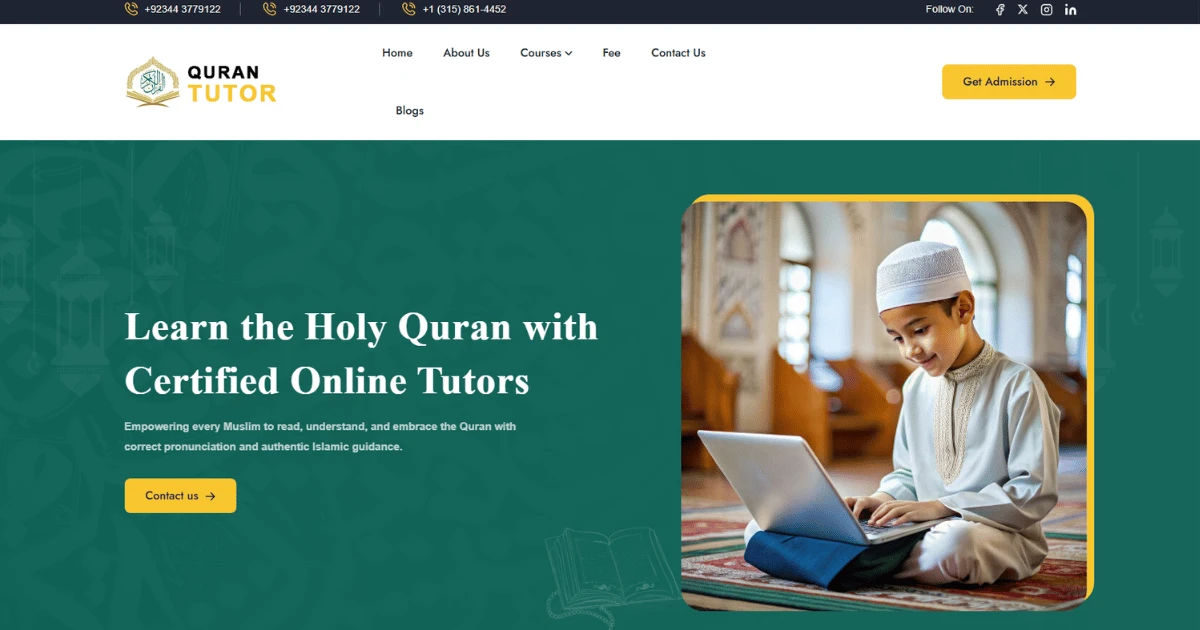
An Online Quran Academy can use live classes, recorded lessons, or a combination of both. However, most established academies that provide personalized Quran education generally focus on live, teacher-led sessions because students can interact directly with their instructor.
Understanding the difference between live and recorded classes can help parents and students choose a learning system that matches their goals, schedule, learning speed, and level of support.
What Are Live Online Quran Classes?
Live Quran classes are conducted in real time through an internet connection. The student and teacher usually meet through a video or audio platform at a scheduled time.
The teacher teaches the lesson, listens to the student read, identifies mistakes, and provides corrections immediately. This makes the experience similar to having a private tutor, except that the lesson takes place online.
For example, a student learning Quranic Arabic may read a passage aloud while the teacher listens carefully. If the student pronounces a letter incorrectly, the teacher can stop and explain how the sound should be produced.
This immediate interaction is one of the strongest advantages of live learning.
A typical Online Quran Academy may schedule classes several times per week. The exact schedule depends on the student's age, level, availability, and learning objectives.
What Are Recorded Quran Classes?
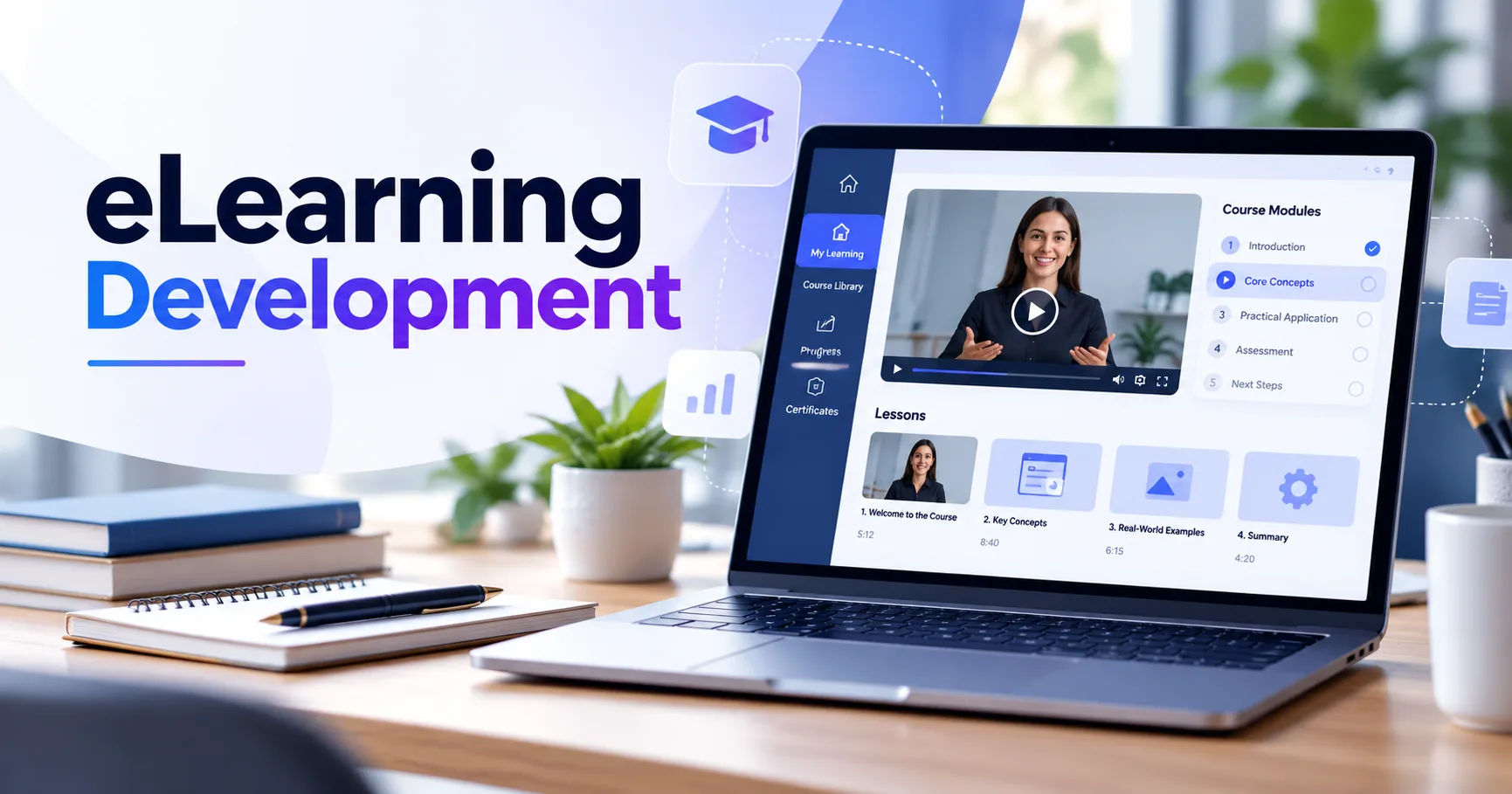
Recorded Quran classes are lessons that have already been prepared and saved as videos or audio files. Students can access them whenever they want.
Instead of meeting a teacher at a fixed time, the learner watches or listens to the lesson independently. Some recorded courses include explanations, demonstrations, exercises, quizzes, and downloadable learning materials.
Recorded lessons can be useful for students who have unpredictable schedules. A person who works irregular hours, for example, may find it easier to study whenever free time becomes available.
However, recorded lessons usually do not provide immediate personal correction. If a student makes a pronunciation mistake, the recording cannot respond to that mistake in real time.
Do Online Quran Academies Mostly Use Live or Recorded Classes?
There is no single rule that applies to every academy. Different institutions use different teaching models.
Many online Quran schools prefer live instruction for core Quran learning because Quran reading requires practice, listening, repetition, and correction. A teacher needs to hear how the student pronounces letters, words, and verses.
Some academies also provide recorded materials as additional resources. These recordings may help students review lessons between live sessions.
Therefore, the most effective system is often not strictly live or strictly recorded. Instead, it combines live teaching with useful recorded material.
When comparing an Online Quran Academy, students should ask exactly how its classes are delivered rather than assuming that every online program works the same way.
Why Live Quran Classes Are Popular
Live classes offer something that prerecorded lessons cannot fully reproduce: direct communication.
The student can ask questions immediately. The teacher can change the lesson according to the student's performance. If a particular concept is difficult, more time can be spent on it.
This flexibility is especially important when learning Quran recitation.
Immediate Pronunciation Correction
Quranic pronunciation requires careful attention to Arabic letters and sounds. Small pronunciation differences can affect the quality and accuracy of recitation.
A live teacher can hear these problems as they occur.
For instance, if a student struggles with a particular Arabic letter, the instructor can demonstrate its pronunciation, ask the student to repeat it, and continue practicing until the sound improves.
Personalized Teaching
Students do not all learn at the same speed.
One student may understand a lesson after one explanation, while another may need several examples. Live teaching allows the instructor to adjust accordingly.
A good Online Quran Academy can therefore provide a more individualized experience than a completely prerecorded course.
Real-Time Questions
Students sometimes hesitate when studying alone because they are unsure whether they have understood a rule correctly.
During a live session, they can simply ask the teacher.
This can prevent misunderstandings from becoming long-term learning problems.
Benefits of Recorded Quran Lessons
Although live teaching has major advantages, recorded lessons can also be valuable.
Their greatest strength is flexibility.
A student can replay a difficult explanation several times. This is particularly useful when learning terminology, memorizing rules, or reviewing material from an earlier lesson.
Flexible Study Schedule
Recorded courses do not usually require students to be available at a specific hour.
This can make them suitable for busy adults, university students, travelers, and people with changing schedules.
Easy Revision
Students can revisit the same lesson whenever necessary.
If a lesson explains a particular Tajweed rule, the student can watch it again before practicing the rule independently.
Learning at Your Own Pace
Some learners prefer to pause, rewind, and repeat material.
Recorded lessons provide this freedom.
However, self-paced learning also requires discipline. Without a teacher monitoring progress, some students may postpone lessons or practice incorrectly.
Live Versus Recorded Quran Classes
The difference becomes clearer when the two approaches are compared directly.
Live classes provide interaction, immediate correction, personalized instruction, and accountability. Recorded lessons provide flexibility, repeatability, and convenient access.
Live learning is generally stronger for students who need help with pronunciation or require personal guidance.
Recorded learning can be useful for review and independent study.
For many learners, the best arrangement is a combination of both.
Are Live Classes Better for Children?
Live instruction can be particularly useful for children because younger students often need encouragement and supervision.
A teacher can notice when a child becomes distracted, confused, or tired. The instructor can then adjust the lesson to maintain attention.
Children also benefit from immediate feedback.
Instead of watching a video and moving on after making a mistake, they can receive correction before the incorrect habit becomes established.
Parents may also appreciate live classes because they can understand what the child is studying and how the teacher is progressing.
A reputable Online Quran Academy may provide separate teaching approaches for children and adults because their learning needs are different.
Are Recorded Classes Better for Adults?
Not necessarily.
Adults may appreciate recorded lessons because of their busy schedules, but many adults still benefit significantly from live instruction.
An adult beginner may need help recognizing Arabic letters, understanding pronunciation, or developing confidence while reading.
A teacher can provide encouragement and correct errors immediately.
For adults who already have a strong foundation, recorded material can become a useful supplementary resource.
The right choice depends more on the student's learning requirements than on age alone.
How Tajweed Learning Works in Live Classes
Tajweed is one area where live instruction can be especially helpful.
Students need to learn rules and then apply them while reciting. Simply understanding a rule intellectually does not guarantee correct pronunciation.
A teacher can listen to the student's recitation and identify areas that require improvement.
For example, the student may understand a rule involving elongation but apply it inconsistently during recitation. A teacher can point out the problem immediately and demonstrate the correct approach.
Repeated correction and practice can gradually make accurate recitation more natural.
This is why many students choose an Online Quran Academy that offers individual live Tajweed instruction rather than relying entirely on recordings.
Can Recorded Lessons Teach Tajweed?
Yes, recorded lessons can explain Tajweed principles effectively.
A well-produced video can demonstrate pronunciation, explain rules, show examples, and provide practice exercises.
The limitation is assessment.
The recording can teach the student what to do, but it cannot automatically determine whether the student's own recitation is correct.
For this reason, recorded Tajweed material is often most effective when combined with teacher feedback.
What Happens During a Typical Live Quran Class?
The structure varies between academies, but a typical session may begin with a short review.
The teacher may ask the student to recite material studied previously. This gives the instructor an opportunity to identify mistakes and measure progress.
The teacher then introduces new material.
Depending on the course, this could involve Quran reading, Tajweed, memorization, Arabic letters, translation, or another subject.
The student practices during the lesson while the teacher provides corrections.
The session may end with homework or a specific practice target for the next class.
This structure creates continuity between lessons.
What Should You Ask an Online Quran Academy Before Enrolling?
Before registering, parents and students should ask several practical questions.
First, ask whether classes are live, recorded, or a combination of both.
Second, ask whether lessons are one-to-one or conducted in groups.
Third, find out whether the teacher corrects pronunciation during every session.
It is also useful to ask about class duration, scheduling flexibility, teacher qualifications, missed-class policies, trial lessons, and communication methods.
If recorded materials are included, ask whether students receive permanent or limited-time access.
A reliable Online Quran Academy should be able to explain its teaching structure clearly rather than leaving students uncertain about what they are paying for.
One-to-One Versus Group Classes
Live classes can be conducted privately or in groups.
One-to-one classes offer maximum individual attention. The teacher can focus entirely on one student's reading and learning difficulties.
Group classes can provide interaction with other learners and may be more affordable.
However, students in groups may receive less individual reading time.
For beginners or students who need substantial pronunciation correction, private instruction may be particularly beneficial.
Technology Needed for Live Classes
Students usually do not need sophisticated equipment.
A stable internet connection, computer, tablet, or smartphone may be enough.
Headphones can improve audio quality, especially when the student is practicing pronunciation.
A microphone is important because the teacher needs to hear the student's recitation clearly.
A camera may also be useful when visual instruction is part of the course.
Technical problems can interrupt a live lesson, so students should test their equipment before classes begin.
What If a Student Misses a Live Class?
Policies differ from one academy to another.
Some schools offer make-up lessons. Others may provide recordings of missed sessions or additional practice material.
Students should check the missed-class policy before enrollment.
This is particularly important for families with changing schedules.
A flexible Online Quran Academy may offer reasonable rescheduling options, while another institution may follow a stricter attendance system.
Understanding the policy in advance prevents confusion later.
Can Live Classes Be Recorded?
Some academies may record lessons for review, while others may not.
Recording policies can depend on privacy rules, teacher preferences, and the platform being used.
If recordings are offered, they can be useful for reviewing difficult sections after the live class.
However, students should not assume that every live class is automatically recorded.
It is better to ask the academy directly.
How to Choose the Right Learning Format
The best format depends on the learner.
Students who need pronunciation correction, motivation, accountability, and personal guidance may benefit most from live lessons.
Students who have strong self-discipline and mainly need explanations or revision may find recorded courses useful.
Students who want both flexibility and personal instruction may prefer a blended model.
For most learners who are starting from the beginning, having access to a teacher can make the learning process easier and more structured.
Signs of a Good Online Quran Academy
A quality academy should make its teaching process clear.
It should explain who teaches the classes, how students are assessed, how lessons are scheduled, and how progress is monitored.
Teachers should communicate respectfully and patiently.
The academy should also have a clear process for handling technical issues, missed classes, and student questions.
Another positive sign is an appropriate placement or assessment process.
Instead of giving every learner exactly the same lesson, the academy should ideally determine the student's current reading ability and build an appropriate learning plan.
Common Misunderstandings About Online Quran Classes
One common misconception is that all online Quran courses are prerecorded.
That is not true.
Many programs operate through live video or audio lessons with teachers.
Another misconception is that live online teaching is automatically better than every recorded course.
Quality matters more than the format alone.
A poorly organized live class may be less useful than an excellent recorded course combined with effective assessment.
The teacher's ability, curriculum, feedback system, and student's consistency all influence the outcome.
How Students Can Get Better Results
Regardless of whether lessons are live or recorded, consistency is essential.
Students should establish a regular study routine.
They should practice between lessons instead of relying entirely on class time.
When a teacher identifies a recurring mistake, the student should consciously work on correcting it.
Recording personal practice, where appropriate and permitted, can also help students notice improvement over time.
Most importantly, learners should avoid rushing.
Quran education is not simply about completing pages quickly. Accuracy, understanding, proper pronunciation, and steady progress matter.
Why a Blended Learning Model Can Work Well
Combining live instruction with recorded resources can provide the strengths of both methods.
The live lesson provides interaction and correction.
The recorded material provides revision and flexibility.
For example, a student might attend three live classes each week and use short recorded lessons for review between sessions.
This approach gives the student regular teacher feedback without making every minute of study dependent on a scheduled class.
A well-designed Online Quran Academy can use this blended system to support different learning needs.
Conclusion
Online Quran classes can be either live or recorded, but the two formats serve different purposes. Live lessons allow students to communicate directly with teachers, ask questions, receive immediate corrections, and follow a personalized learning plan. Recorded lessons provide flexibility, convenient revision, and the ability to repeat explanations whenever needed.
For Quran reading and Tajweed, personal feedback is especially valuable because students need to apply what they learn while actually reciting. A recorded lesson can explain a pronunciation rule, but a teacher is better positioned to hear the student's recitation and identify mistakes.
This does not mean recorded education has no place. In fact, recordings can be excellent supplementary resources. They can help students revise lessons, review difficult concepts, and practice outside scheduled classes.
The most useful solution for many learners is therefore a combination of live teaching and recorded study materials.
When choosing an Online Quran Academy, students and parents should look beyond the simple question of whether classes are live or recorded. They should examine teacher quality, individual attention, Tajweed instruction, scheduling, assessment, feedback, technical support, and the academy's overall learning structure.
Ultimately, the best format is the one that helps the student learn accurately, practice consistently, and remain motivated. Live classes can provide the personal guidance many learners need, while recorded materials can make revision easier and more flexible. When these resources are used thoughtfully, online Quran education can provide a structured and engaging way to develop Quran reading and recitation skills from home.