
What do car wreckers do with old vehicles?
When a vehicle becomes too old, damaged, expensive to repair, or simply no longer useful, many owners wonder what happens after it is taken away. Car wreckers play an important role in giving unwanted vehicles a second life. Instead of allowing an old car to sit unused or sending the entire vehicle straight to landfill, wrecking businesses carefully assess, dismantle, reuse, recycle, and dispose of different parts and materials.
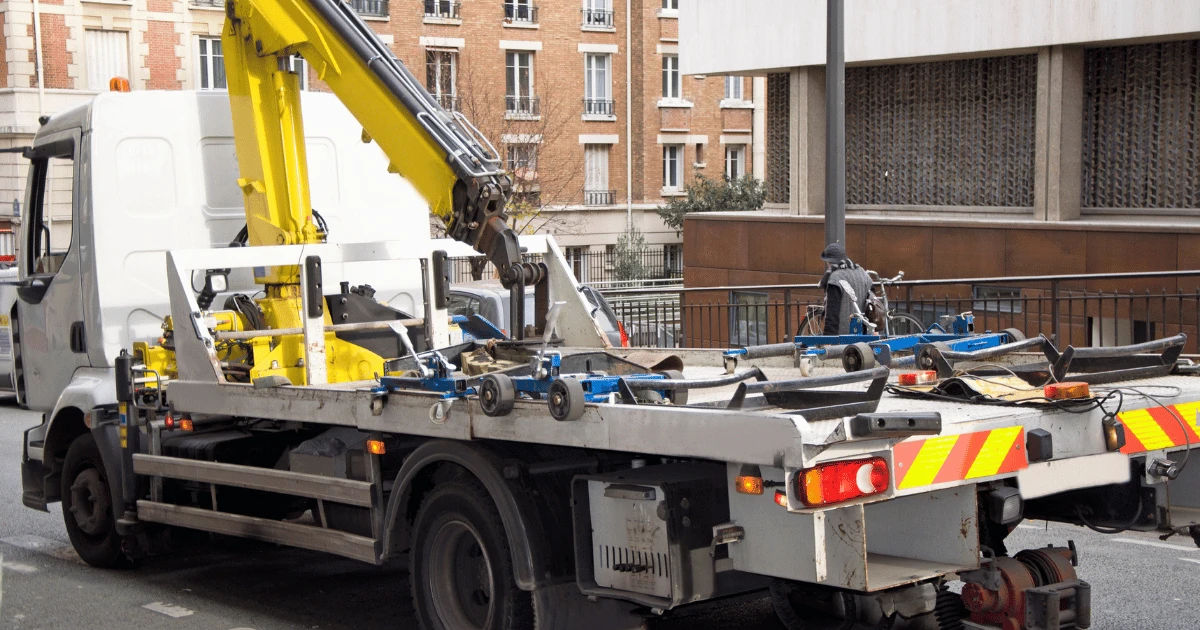
The process is much more organized than simply crushing an unwanted vehicle. A professional wrecker may recover working components, separate recyclable metals, manage fluids safely, and prepare usable parts for other vehicles. This approach can reduce waste while helping drivers find affordable replacement components.
Understanding what happens to an old vehicle can help owners make better decisions when it is time to dispose of a car. This comprehensive guide explains the main stages involved and why vehicle recycling has become an important part of the automotive industry.
Why Old Vehicles Are Sent to Wreckers
Not every unwanted vehicle is completely useless. A car may have a failed engine but still contain good doors, mirrors, wheels, seats, electronic components, or mechanical parts.
Similarly, a vehicle involved in an accident may be too expensive to repair but still have numerous components that can be safely reused.
Car wreckers inspect these vehicles to determine which components have value. Their goal is generally to recover as much useful material as reasonably possible.
Some vehicles are also retired because of age. As cars become older, owners may face increasing maintenance costs. Finding original replacement parts can also become difficult.
Instead of keeping an unreliable vehicle, an owner may choose to sell it to a wrecker. The vehicle can then become a source of parts and recyclable materials.
The Initial Vehicle Assessment
The first major step is usually an inspection. When an old vehicle arrives, workers assess its general condition and identify components that may be suitable for reuse.
The inspection can include the engine, transmission, suspension, electrical system, body panels, wheels, interior components, and other major systems.
Workers may also consider the vehicle's make, model, year, and demand for its parts. A relatively old car can still have considerable value if replacement components are difficult to find.
This assessment helps determine whether the vehicle should be dismantled for parts, sent for metal recycling, or handled through a combination of both approaches.
Removing Hazardous Fluids
Before extensive dismantling begins, certain fluids need to be removed and handled responsibly.
Old vehicles can contain engine oil, coolant, brake fluid, transmission fluid, fuel, and other substances. These materials should not simply be released onto the ground because they can contaminate soil and water.
Professional car wreckers use appropriate procedures for collecting and storing these fluids.
Some fluids may be processed for reuse or recycling, while others require controlled disposal. Proper fluid management is an important part of responsible vehicle recycling.
Salvaging Usable Car Parts
One of the most valuable things a wrecker can do with an old vehicle is recover components that are still in good working condition.
A vehicle can contain hundreds of individual parts. Even when the car itself is no longer economical to repair, many of those components may remain useful.
Mechanical Components
Engines, transmissions, alternators, starters, radiators, steering components, and suspension parts can sometimes be removed and tested.
If a component meets appropriate quality requirements, it may be sold as a used replacement part.
This gives vehicle owners another option when repairing an older car. Instead of purchasing a brand-new component, they may find a compatible used part at a lower cost.
Body Panels and Exterior Parts
Doors, bonnets, guards, bumpers, mirrors, grilles, headlights, and other exterior components may also be recovered.
A damaged vehicle can still have body panels on the opposite side that remain undamaged. Those components may be useful to someone repairing a similar model.
This is one reason car wreckers can be valuable sources of replacement parts.
Interior Components
Interior items can also be salvaged when they remain in suitable condition.
Seats, dashboards, switches, door trims, steering wheels, consoles, carpets, and other components may be removed and inspected.
Demand varies according to the vehicle's age, model, and condition, but some interior components can be difficult to source elsewhere.
Testing and Organizing Used Parts
Removing a component does not automatically make it ready for resale. Reputable car wreckers generally need to inspect and organize usable parts before offering them to customers.
Mechanical components may require testing. Electrical components can be checked for functionality. Body panels may be examined for significant damage or corrosion.
Parts can then be cleaned, labelled, stored, and catalogued.
Accurate identification is important because customers need to know whether a component is suitable for their particular vehicle.
This process also makes used auto parts easier to locate when someone needs a replacement.
What Happens to Parts That Cannot Be Reused?
Not every component can be salvaged. Some parts may be damaged, worn out, contaminated, or simply have no practical resale value.
Instead of sending everything to landfill, professional recyclers can separate different materials wherever possible.
Metals are particularly valuable because they can often be recovered and processed into new materials.
Steel and aluminium are common examples. Other metals may also be recovered from specific automotive components.
Recycling the Vehicle's Metal
Metal recycling is one of the most important stages in end-of-life vehicle processing.
Once reusable parts have been removed, the remaining vehicle shell can be prepared for recycling. Different materials may be separated before the vehicle body is processed.
The metal can then be sent to recycling facilities where it is processed for future manufacturing.
This creates a useful cycle. Material from an unwanted vehicle can become raw material for another product instead of occupying unnecessary landfill space.
Car wreckers therefore contribute to the broader concept of a circular economy.
Recycling Glass, Plastics, and Other Materials
Vehicles contain much more than metal.
Glass from windows and windscreens may be recoverable depending on the recycling process available. Plastics are also found throughout the interior and exterior of modern vehicles.
Rubber components, wiring, textiles, and other materials may require separate handling.
The exact recycling process depends on the facility, local regulations, available technology, and condition of the material.
Even when every material cannot be recycled, responsible dismantling can significantly reduce the amount of waste requiring disposal.
Recycling Automotive Batteries
Vehicle batteries require special attention because they contain materials that should not be casually discarded.
Traditional lead-acid batteries contain lead and acid, while some newer vehicles use different battery technologies.
Professional facilities can direct batteries into appropriate recycling or disposal channels.
Recycling batteries can allow valuable materials to be recovered while reducing the environmental risks associated with improper disposal.
How Wreckers Handle Tyres
Old tyres are another important part of vehicle recycling.
Tyres that remain in usable condition may sometimes be sold through appropriate channels. Severely worn or damaged tyres require different handling.
Depending on local recycling systems, tyres may be processed into rubber materials or directed to specialized recycling facilities.
Keeping unwanted tyres out of uncontrolled disposal streams is important because they take considerable time to break down and can create environmental problems when improperly handled.
Recycling Windscreens and Glass
Automotive glass has different characteristics from ordinary household glass.
Windscreens often contain laminated layers, while other vehicle windows may use different types of safety glass.
Some recycling facilities can process these materials separately.
The objective is to recover usable material while avoiding unnecessary disposal.
Recovering Valuable Metals
Vehicles contain several valuable metals in addition to steel.
Aluminium can be found in components such as wheels and certain engine parts. Copper is commonly present in wiring and electrical systems.
Other components can contain smaller quantities of valuable materials.
Separating these materials can make recycling more efficient and reduce the need to obtain all raw materials from newly mined resources.
What Happens to the Vehicle After Dismantling?
After valuable and reusable components have been removed, the remaining shell becomes primarily a recycling material.
The shell may be compacted or processed using specialized equipment.
It can then move through a metal recycling system where ferrous and non-ferrous materials are separated.
The recovered metal can eventually become part of new manufacturing processes.
This means an old vehicle does not necessarily represent the end of its useful material life.
Environmental Benefits of Vehicle Wrecking
The environmental benefits of responsible vehicle recycling are significant.
Reusing existing components can reduce demand for manufacturing new replacement parts. Recycling metal can also reduce the need for extracting and processing additional raw materials.
Proper disposal of automotive fluids helps protect soil and waterways.
Responsible battery, tyre, glass, and plastic handling can further reduce waste.
For these reasons, car wreckers are an important part of the automotive waste-management system.
Financial Benefits for Vehicle Owners
Selling an unwanted vehicle to a wrecker can also provide financial value.
The amount offered depends on factors such as the vehicle's condition, make, model, age, demand for parts, and current scrap-material values.
A vehicle that has little value as a running car may still have worthwhile components.
Some car wreckers also provide vehicle removal services, which can be useful when a car is no longer roadworthy or cannot be driven.
Owners should compare offers and understand what is included before agreeing to a sale.
Affordable Replacement Parts for Drivers
Used parts recovered from old vehicles can help reduce repair costs.
For some older models, new original equipment components may be expensive or difficult to locate.
A suitable used component can provide an alternative.
Customers should confirm compatibility before purchasing a used part. Vehicle identification information, part numbers, model years, and specifications can help prevent mistakes.
It is also sensible to ask about the condition of the part and any available warranty or return arrangements.
Why Professional Dismantling Matters
Vehicle dismantling involves more than removing random components.
A responsible facility needs appropriate equipment, trained workers, storage systems, and procedures for handling potentially hazardous materials.
Poor dismantling practices can create unnecessary environmental and safety risks.
Professional car wreckers can reduce these risks by following appropriate procedures and directing different materials into suitable recycling or disposal channels.
Choosing a Responsible Wrecker
Vehicle owners should consider several factors when selecting a wrecker.
Look for a business that clearly explains its vehicle removal, dismantling, recycling, and payment processes.
It is also useful to ask how hazardous fluids, batteries, tyres, and other materials are handled.
A reputable business should be willing to explain its process rather than making vague claims.
Customers should also confirm ownership and paperwork requirements before transferring a vehicle.
Common Misconceptions About Old Cars
A common misconception is that every vehicle sent to a wrecker is immediately crushed.
In reality, many vehicles are assessed first. Components that still have value may be removed before the remaining shell is recycled.
Another misconception is that only newer vehicles are useful.
Older vehicles can contain parts that are difficult to source, making them valuable for owners maintaining similar models.
It is also incorrect to assume that every component will be reused. Some parts are too damaged or worn and must instead enter an appropriate recycling or disposal stream.
The Role of Vehicle Recycling in the Future
As vehicle technology changes, the role of automotive recyclers will continue to evolve.
Modern vehicles contain increasingly sophisticated electronics, sensors, computer systems, and different battery technologies.
Electric and hybrid vehicles also require specialized knowledge because their power systems differ from those of conventional cars.
Future recycling operations will therefore need updated equipment, training, and procedures.
The basic principle, however, remains similar: recover useful materials, reuse suitable components, and dispose of unavoidable waste responsibly.
Conclusion
Old vehicles can have much more value than their owners might expect. Even when a car is no longer practical to drive, it can contain working mechanical components, body panels, electrical parts, glass, plastics, rubber, and valuable metals.
Car wreckers help recover these resources through systematic inspection and dismantling. Usable components can be tested and sold as replacement parts, while materials that cannot be reused can often be recycled.
The process also provides environmental advantages. Recovering metal reduces waste and can reduce the need for new raw materials. Proper management of fluids, batteries, tyres, and other materials helps prevent avoidable pollution.
For vehicle owners, using a reputable wrecker can be a practical way to dispose of an unwanted car while potentially receiving financial value in return. It can also help other motorists find affordable used components for their vehicles.
Ultimately, responsible vehicle recycling is about making the most of resources that would otherwise be wasted. Instead of viewing an old vehicle as nothing more than scrap, the automotive recycling industry treats it as a collection of materials and components that may still have another useful purpose.
The next time an old car reaches the end of its road life, understanding what car wreckers do with it can make the disposal decision much easier. From parts recovery to metal recycling, the process can give valuable resources a second chance while reducing unnecessary waste.
Related keywords used throughout this guide: old car recycling, vehicle recycling, auto recycling, used car parts, scrap vehicles, car removal, vehicle dismantling, recycled auto parts, scrap metal recycling, unwanted vehicles, automotive recycling, end-of-life vehicles.