
what is a glass façade in modern buildings?
In contemporary architecture, the use of glass façades has become a hallmark of modern design, offering a blend of elegance, functionality, and sustainability.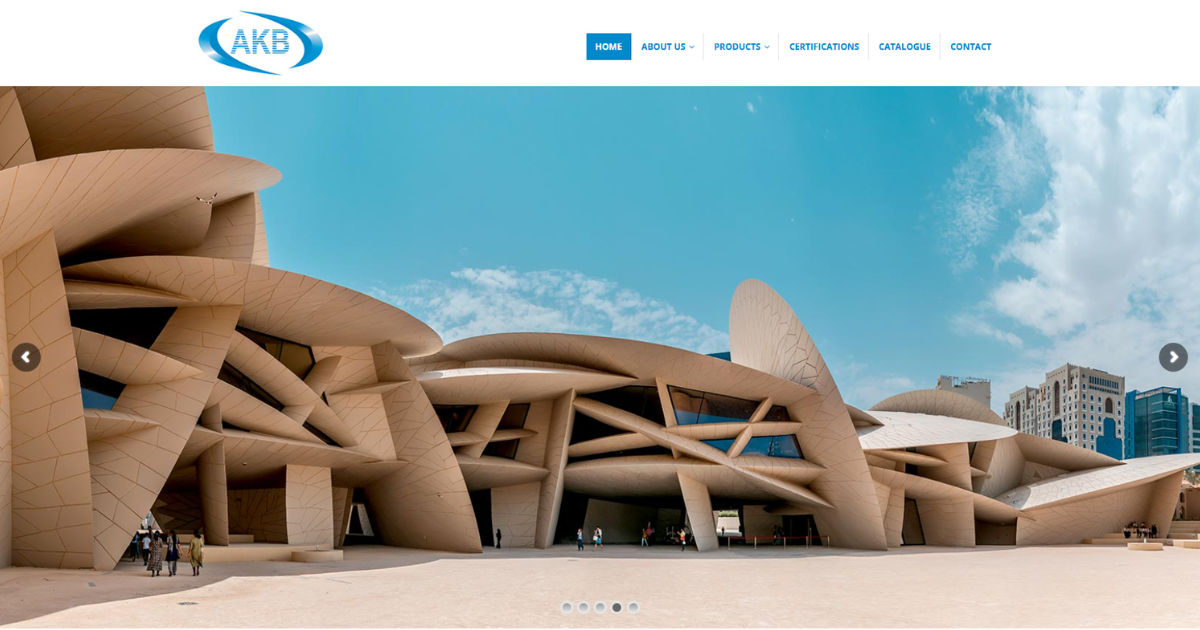
One of the leading companies in this field, Akbari Engineering, has been at the forefront of providing innovative glass solutions for buildings.
Glass façades are not just an aesthetic choice; they play a vital role in energy efficiency, daylight management, and creating a modern architectural identity.
A glass façade is essentially the exterior face of a building composed predominantly of glass panels, sometimes combined with metal or other materials for structural support.
They serve as a transparent skin that separates the interior of the building from the outside environment while allowing natural light to penetrate deep into the interior spaces. This transparency creates open, airy spaces and contributes to an inviting environment for both occupants and visitors.
The Evolution of Glass Façades
Glass façades have evolved significantly over the past century. Early uses of glass in buildings were limited due to structural and thermal limitations. Traditional buildings often relied on small window openings for light and ventilation. However, technological advancements in glass manufacturing, coating, and structural engineering have made full-height glass façades feasible and safe.
In the 20th century, skyscrapers and commercial buildings began adopting curtain wall systems, where glass panels were hung off the structural frame of the building rather than being load-bearing. Akbari Engineering has contributed to this evolution by providing specialized solutions for modern curtain wall systems, ensuring safety, durability, and aesthetic appeal.
Today, glass façades are not just about visual appeal; they reflect a building’s energy performance, sustainability, and environmental consciousness. Modern façades incorporate double-glazing, low-emissivity coatings, and other innovations that enhance insulation and reduce energy consumption.
Components of a Glass Façade
A modern glass façade comprises several critical components, each serving a specific function:
Glass Panels
The primary material in any glass façade is, of course, the glass itself. Panels can be single, double, or triple-glazed, depending on the insulation requirements. Double-glazed glass, for instance, contains a layer of air or inert gas between two glass sheets, improving thermal efficiency and reducing noise. Akbari Engineering specializes in producing high-quality glass panels suitable for diverse environmental conditions.
Supporting Frames
Frames provide structural support for glass panels and can be made of aluminum, steel, or composite materials. Aluminum is often preferred due to its lightweight nature, corrosion resistance, and flexibility in design. Frames also house gaskets and sealants that ensure airtight and watertight performance.
Mullions and Transoms
Mullions (vertical supports) and transoms (horizontal supports) divide the glass panels and provide additional structural strength. They also contribute to the visual rhythm of the façade, creating patterns or grid-like designs that enhance aesthetics.
Sealants and Gaskets
These materials ensure that glass panels remain secure and that the façade is weather-resistant. Proper sealing prevents water leakage, air infiltration, and helps maintain interior comfort.
Sun Control Devices
Some glass façades incorporate shading devices, such as louvers or fritted glass, to control heat gain and glare. These devices are crucial for sustainable building design and occupant comfort.
Types of Glass Façades
Glass façades come in various types, each offering unique advantages:
Curtain Wall Façades
Curtain walls are non-load-bearing façades that hang from the building’s structural frame. They allow for extensive use of glass and provide an uninterrupted exterior surface. They are widely used in high-rise commercial buildings and offer flexibility in design.
Structural Glazing Façades
In structural glazing, the glass is bonded to the frame using structural silicone sealants, creating a sleek and seamless appearance. This method eliminates visible metal frames, giving buildings a smooth, modern look.
Stick System Façades
Stick systems involve assembling glass and framing components piece by piece on-site. This method allows for customization and is suitable for complex building geometries.
Unitized Façades
Unitized façades are prefabricated panels assembled in a factory and installed on-site. This method is faster, ensures higher quality, and minimizes site disruption.
Advantages of Glass Façades
Glass façades offer numerous benefits, making them a preferred choice in modern architecture:
Natural Light
One of the most significant advantages is the penetration of natural light. This reduces the reliance on artificial lighting, enhancing energy efficiency and creating pleasant, well-lit interior spaces.
Aesthetic Appeal
Glass façades provide a contemporary, elegant look. They reflect the surroundings, giving buildings a dynamic appearance that changes with light conditions.
Energy Efficiency
Modern glass technologies, such as double-glazing and low-emissivity coatings, help regulate temperature, reduce heat gain, and minimize energy consumption for heating and cooling.
Acoustic Insulation
High-quality glass façades can reduce noise from external sources, creating a quiet indoor environment—a vital consideration for urban buildings.
Sustainability
Glass façades can contribute to green building certifications by enhancing energy efficiency and incorporating recyclable materials.
Flexibility in Design
Architects can achieve creative, complex designs using glass façades, including curved surfaces, cantilevered sections, and dynamic patterns.
Challenges of Glass Façades
While glass façades offer numerous benefits, they also present challenges that require careful planning:
Thermal Performance
Without proper design, glass façades can lead to heat gain in summer and heat loss in winter. Incorporating energy-efficient glass and shading devices is essential.
Glare and Visual Comfort
Excessive sunlight can cause glare, affecting occupant comfort. Solutions include tinted glass, fritting, or external shading devices.
Maintenance
Glass surfaces require regular cleaning to maintain their transparency and aesthetic appeal. Accessibility for cleaning, especially in high-rise buildings, is a critical consideration.
Cost
High-quality glass façades can be expensive due to materials, installation, and maintenance requirements. However, their long-term energy savings often justify the investment.
Glass Façade Systems by Akbari Engineering
Akbari Engineering is renowned for its innovative glass façade solutions. They provide customized designs tailored to each building’s requirements, ensuring performance, safety, and aesthetics. Their offerings include:
- High-performance insulated glass panels
- Structural glazing solutions for seamless façades
- Energy-efficient curtain wall systems
- Acoustic glazing for noise reduction
By integrating cutting-edge technology and sustainable design principles, Akbari Engineering ensures that buildings not only look modern but also meet environmental and energy standards.
Energy Efficiency and Sustainability
Modern glass façades play a critical role in sustainable building design. Properly designed façades reduce the need for artificial lighting and climate control systems, minimizing energy consumption. Techniques include:
- Using double or triple-glazed units to improve insulation
- Low-emissivity coatings to reflect infrared radiation
- Dynamic glass that changes tint in response to sunlight
- Incorporating shading devices like louvers or solar fins
Sustainable glass façades contribute to achieving LEED or other green building certifications, aligning with global efforts to reduce carbon footprints.
Design Considerations for Glass Façades
When planning a glass façade, architects and engineers must consider several factors:
Building Orientation
The orientation affects sunlight exposure, thermal performance, and glare. South-facing façades may require shading devices, while north-facing façades benefit from consistent natural light.
Climate Conditions
Temperature extremes, wind loads, and precipitation must inform glass selection and structural design. Akbari Engineering provides climate-specific solutions for optimal performance.
Structural Integrity
Glass façades must withstand wind pressure, seismic activity, and building movement. Selecting the right frame, mullion system, and tempered glass is crucial.
Safety and Security
Safety glass, such as laminated or toughened glass, ensures protection against breakage. Security considerations may include bullet-resistant or impact-resistant glass in sensitive areas.
Aesthetic Integration
The façade should harmonize with the overall architectural vision. Patterns, transparency levels, and color treatments help achieve a balance between form and function.
Maintenance of Glass Façades
Maintaining a glass façade ensures longevity, performance, and visual appeal. Key maintenance practices include:
- Regular cleaning using specialized equipment for high-rise façades
- Inspecting seals and gaskets for wear and tear
- Monitoring for structural issues such as frame corrosion or glass damage
- Applying protective coatings to prevent water infiltration and stains
Proper maintenance prolongs the life of the façade and reduces long-term costs.
Case Studies of Glass Façades
Several modern buildings demonstrate the power and elegance of glass façades:
- Skyscrapers with structural glazing that create uninterrupted glass surfaces
- Office towers using curtain walls for a sleek, reflective exterior
- Commercial centers integrating tinted or fritted glass for glare control and energy efficiency
Akbari Engineering has contributed to multiple high-profile projects, providing custom glass solutions that meet both aesthetic and performance standards.
Future Trends in Glass Façades
The future of glass façades is promising, with innovations that blend technology, sustainability, and design:
- Smart glass technology that adjusts tint dynamically
- Photovoltaic glass façades generating electricity
- Lightweight, high-strength materials for more daring architectural forms
- Integration with building management systems for energy optimization
These trends ensure that glass façades continue to be a symbol of modernity and sustainability in architecture.
Conclusion
Glass façades are a defining feature of contemporary architecture, offering unparalleled beauty, functionality, and sustainability. They transform buildings into visually striking and energy-efficient structures, blending interior comfort with exterior elegance. Companies like Akbari Engineering lead the way by providing innovative, customized solutions that meet both aesthetic and environmental requirements.
From curtain walls to structural glazing, glass façades enhance natural light, reduce energy costs, and create an inviting environment. Despite challenges such as maintenance and thermal performance, modern technology and design strategies mitigate these concerns. As architectural trends evolve, glass façades will remain a cornerstone of modern building design, reflecting the aspirations of innovation, sustainability, and visual excellence.
Glass façades are not merely a design choice—they are a statement of modern engineering and architectural vision. With careful planning, advanced materials, and expert execution, they offer long-term benefits, making them an investment in both style and functionality.