
Who Uses flat-fee truck dispatch?
The trucking industry depends on steady loads, efficient routes, reliable communication, and careful control of operating costs. For many owner-operators and small fleets, finding suitable freight while handling brokers, negotiating rates, and managing paperwork can become a full-time responsibility. This is where flat-fee truck dispatch can provide valuable support.
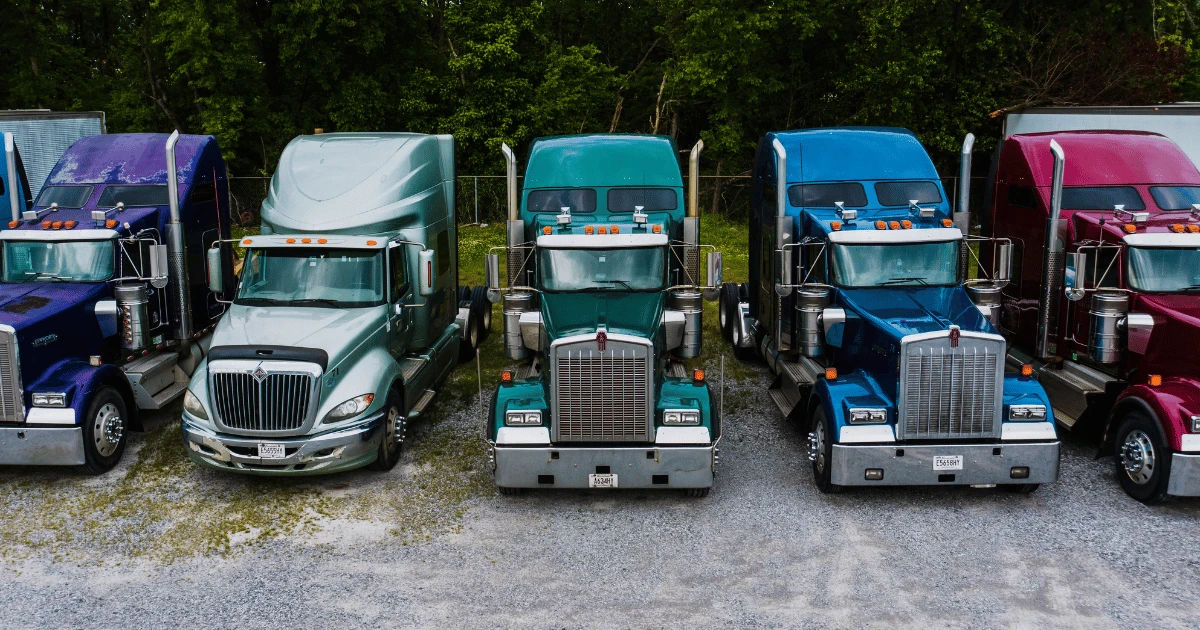
Instead of paying a percentage of every load, a carrier may work with a dispatcher who charges a fixed fee for agreed dispatch services. This arrangement can make expenses easier to understand and may help trucking businesses plan their monthly budgets more effectively.
But who actually benefits from this type of dispatch service? Is it suitable for every truck owner, or is it better for particular types of carriers? The answer depends on the carrier's workload, experience, equipment, business goals, and preferred method of managing freight.
In this guide, we will explain who commonly uses flat-fee truck dispatch, how the model works, what types of trucking businesses can benefit from it, and what carriers should consider before choosing a dispatch provider.
What Is Flat-Fee Truck Dispatch?
Flat-fee truck dispatch is a dispatch arrangement in which a carrier pays a predetermined amount for dispatch services rather than giving the dispatcher a percentage of the revenue earned from each load.
For example, a dispatcher might charge a fixed weekly or monthly amount for finding loads, communicating with brokers, negotiating rates, organizing paperwork, and providing other agreed services.
The exact services and pricing can vary between dispatch companies. Some providers may offer comprehensive support, while others may focus mainly on load searching and broker communication.
The biggest difference from percentage-based dispatch is the pricing structure. With a flat fee, the carrier generally knows the dispatch cost in advance.
This can be attractive to carriers that want predictable expenses and prefer to keep the relationship between dispatch costs and load revenue separate.
Owner-Operators
Why Owner-Operators Use Dispatch Services
Owner-operators are among the most common users of dispatch services. They operate their own trucks and are responsible for many parts of the business, including finding freight, communicating with brokers, driving, maintaining equipment, tracking expenses, and managing paperwork.
A single driver may spend hours searching load boards instead of focusing on driving and other business responsibilities.
Flat-fee truck dispatch can help reduce this administrative burden. A dispatcher can search for available freight based on the truck's location, equipment type, preferred lanes, and other requirements.
For an owner-operator, saving several hours every week can have meaningful value. The driver can spend more time on the road, maintaining the truck, resting properly, and handling other business tasks.
Suitable for Independent Drivers
Independent drivers who do not have an in-house logistics department may find a fixed dispatch arrangement particularly useful.
For example, a dry van owner-operator may want regular freight between specific regions. Instead of searching multiple load boards personally, the driver can provide preferred lanes and requirements to the dispatcher.
The dispatcher then looks for opportunities that match those conditions.
New Trucking Business Owners
Reducing the Learning Curve
New carriers often face a steep learning curve. Understanding load boards, broker requirements, rate negotiations, carrier packets, confirmations, and freight schedules can take time.
A professional dispatcher may help a new carrier understand these processes.
Flat-fee truck dispatch can give new business owners access to dispatch support without necessarily tying the dispatcher's compensation directly to the value of every load.
However, new carriers should carefully check what is included in the service before signing an agreement.
Building Business Experience
Working with a dispatcher can also expose a new carrier to common practices in freight transportation.
The carrier can learn how lanes work, how rates change, what information brokers request, and which types of loads fit the truck.
Over time, an owner-operator may become more confident and eventually decide how much dispatch assistance they want.
Small Trucking Fleets
Managing Multiple Trucks
Small fleets can also benefit from flat-fee dispatch. A company operating several trucks may not yet have enough vehicles to justify a large internal dispatch department.
Hiring full-time staff involves salaries, payroll taxes, training, software, office expenses, and other costs.
An external dispatcher can provide some of the same operational support without requiring the company to build a complete dispatch department.
For a small fleet, predictable dispatch expenses may make budgeting easier.
Keeping Trucks Moving
One of the most important goals of a trucking company is reducing unnecessary downtime.
An empty truck does not generate freight revenue while expenses such as insurance, payments, maintenance, and other operating costs continue.
A dispatcher can search for the next load before the current trip ends, helping the carrier reduce unnecessary empty miles when suitable freight is available.
Flat-fee truck dispatch may therefore appeal to fleet owners who want consistent dispatch support as their operations grow.
Dry Van Carriers
Dry van trucking is a large segment of the freight industry, and many dry van operators use dispatch services.
Dry van carriers often have access to a wide variety of general freight. However, having many available loads does not automatically mean every load is a good business decision.
A dispatcher can help identify freight based on factors such as pickup location, delivery destination, rate, timing, and deadhead distance.
For carriers with regular dry van operations, a fixed dispatch cost can provide a straightforward way to budget for this support.
Reefer Trucking Companies
Refrigerated, or reefer, carriers transport temperature-sensitive freight. These loads can involve additional requirements compared with standard dry van shipments.
Reefer operators may need to consider appointment schedules, temperature requirements, equipment condition, fuel usage, and other operational details.
A dispatcher familiar with refrigerated freight can help locate loads that fit the carrier's equipment and schedule.
Carriers considering flat-fee truck dispatch should make sure the dispatcher has experience with reefer operations if specialized refrigerated freight is involved.
Flatbed Trucking Operators
Flatbed carriers transport freight that often requires different planning from enclosed trailers.
Loads may involve construction materials, machinery, steel, lumber, or other large items. Securement requirements, dimensions, weight, tarps, and loading conditions can all affect the suitability of a shipment.
A flatbed carrier should therefore work with a dispatcher who understands the equipment and freight category.
Flat-fee truck dispatch may work well for flatbed operators when the agreement clearly covers the type of load-searching and communication support they need.
Specialized Equipment Carriers
Understanding Equipment Requirements
Carriers operating specialized equipment may also use dispatch services.
Examples can include step-deck, lowboy, hotshot, box truck, and other specialized equipment.
These carriers may need freight that meets specific dimensions, weight limits, or equipment requirements.
A general dispatcher may not always understand the details of specialized freight. Therefore, carriers should ask about relevant experience before choosing a provider.
A fixed dispatch arrangement is most useful when the dispatcher understands the carrier's equipment and can search for appropriate opportunities rather than simply finding any available load.
Carriers With Limited Dispatch Experience
Some experienced drivers are excellent at operating trucks but do not enjoy the administrative side of trucking.
They may prefer to focus on transportation while another professional handles calls, emails, load searches, and broker communication.
This is another situation where flat-fee truck dispatch can be useful.
The carrier pays an agreed amount for defined services and can spend less time handling routine communication.
This does not mean the carrier gives up control of the business. A good arrangement should clearly explain who makes final decisions about loads, rates, routes, and schedules.
Carriers Seeking Predictable Expenses
Budgeting Advantages
Predictable costs are important for small businesses.
Fuel prices, maintenance expenses, insurance, tolls, permits, and truck payments can all affect profitability. Adding a dispatch expense that changes with every load can make financial planning more complicated.
A flat-fee structure gives the carrier a known dispatch cost according to the agreement.
For example, if a carrier knows the dispatch expense for a month, it can include that figure in its operating budget.
This predictability is one of the main reasons some carriers choose flat-fee truck dispatch over percentage-based arrangements.
High-Revenue Owner-Operators
Flat-fee dispatch can also be attractive to carriers that consistently generate strong revenue.
With a percentage-based model, dispatch costs increase as the carrier's gross revenue increases. A carrier earning more may therefore pay substantially more for the same basic dispatch services.
Under a fixed arrangement, the dispatch charge may remain the same regardless of whether a carrier earns slightly less or significantly more, depending on the contract.
This can make the structure appealing to established owner-operators who regularly book profitable freight.
However, carriers should compare the actual service value with the fee rather than choosing a pricing model based only on its appearance.
Carriers Expanding Their Operations
A carrier that is moving from one truck to several trucks may find dispatch management increasingly difficult.
Searching for loads for multiple vehicles requires more time and coordination.
A dispatch service can potentially help organize freight for different trucks while the owner focuses on broader business responsibilities.
Before using flat-fee truck dispatch for a growing fleet, the carrier should determine whether the fee applies per truck, per week, per month, or to the entire fleet.
These details can make a major difference in the total cost.
What Services Are Usually Included?
The services provided by a dispatcher depend on the company and contract. Common services may include:
-
Searching load boards
-
Identifying potential freight
-
Contacting brokers
-
Negotiating rates
-
Checking load information
-
Handling carrier packets
-
Reviewing rate confirmations
-
Communicating pickup and delivery details
-
Helping organize dispatch paperwork
-
Tracking available freight
-
Searching for reloads
-
Communicating with brokers during transportation
Not every provider includes every service.
Therefore, carriers should request a written list of services before agreeing to flat-fee truck dispatch.
Who May Not Need Flat-Fee Dispatch?
Not every carrier requires outside dispatch support.
An experienced owner-operator who already has strong broker relationships, knows profitable lanes, and enjoys finding loads independently may prefer to handle dispatch personally.
Similarly, a large trucking company with an established internal logistics department may not need an external dispatcher.
Some carriers may also prefer a percentage arrangement if they only want to pay when revenue is generated.
The best choice depends on the carrier's business model and workload.
Questions to Ask Before Hiring a Dispatcher
Before choosing a dispatcher, carriers should ask several important questions.
What Does the Fee Include?
Do not assume that every dispatch service includes the same responsibilities.
Ask exactly what the fixed fee covers.
Is the Fee Per Truck?
A company operating multiple trucks should determine whether each vehicle has a separate charge.
Is There a Contract?
Read the agreement carefully. Look for information about cancellation, payment schedules, services, and responsibilities.
Does the Dispatcher Know Your Equipment?
Experience with dry vans may not automatically translate into expertise with flatbeds, reefers, or specialized equipment.
How Are Loads Selected?
Ask whether the dispatcher considers your preferred lanes, minimum rates, deadhead limits, and scheduling requirements.
Benefits of Flat-Fee Truck Dispatch
There are several potential benefits to this model.
First, the carrier may have predictable dispatch expenses.
Second, the owner-operator can save time by outsourcing repetitive administrative tasks.
Third, professional dispatch support can help carriers locate freight more efficiently.
Fourth, carriers can potentially maintain greater control over their revenue because the dispatch fee does not automatically rise with every increase in gross load revenue.
Finally, the arrangement can scale depending on the carrier's needs and contract.
Potential Drawbacks
Flat-fee truck dispatch is not automatically profitable for every carrier.
A carrier may have to pay the fixed fee even during a slow period, depending on the agreement.
There is also a risk of paying for services that the carrier does not actually use.
Another concern is choosing an inexperienced dispatcher. Poor load selection or weak negotiation can cost a carrier more than the dispatch fee itself.
For this reason, carriers should evaluate service quality, communication, experience, and contract terms rather than focusing only on price.
How to Decide If It Is Right for You
Start by calculating how much time you currently spend searching for loads and communicating with brokers.
Then estimate how much that time is worth to your business.
Next, compare the total dispatch cost with the potential value of having professional support.
Consider your equipment, preferred lanes, average weekly revenue, number of trucks, and personal workload.
If dispatch tasks regularly take you away from driving or managing your business, outsourcing may make sense.
If you already have a strong freight network and can efficiently manage your own loads, keeping dispatch in-house may be more practical.
Conclusion
Flat-fee truck dispatch is used by a wide range of trucking professionals, including owner-operators, new carriers, small fleets, dry van companies, reefer operators, flatbed businesses, specialized equipment carriers, and growing trucking companies.
The model is especially appealing to businesses that want predictable dispatch expenses and professional assistance with load searching, broker communication, rate negotiations, and administrative work.
However, the value of a dispatch service depends heavily on the provider. A low fee does not necessarily mean a good service, and a higher fee does not automatically guarantee better results.
Carriers should examine exactly what they receive, how the dispatcher selects loads, whether the provider understands their equipment, and what responsibilities remain with the carrier.
For many independent trucking businesses, flat-fee truck dispatch can be a practical way to outsource time-consuming dispatch responsibilities while maintaining greater predictability over operating expenses.
The key is to choose a service that matches the carrier's equipment, freight goals, budget, and level of experience. When the arrangement is clearly structured and both sides understand their responsibilities, dispatch support can become a useful part of a trucking company's overall business strategy.