
How does nationwide auto transport delivery work?
Shipping a vehicle across the country can seem complicated when you have never used an auto transport service before. In reality, nationwide auto transport follows a fairly straightforward process, beginning with a quote and ending with a final vehicle inspection at the destination. The transporter handles the physical movement of the vehicle, while you provide the necessary information, prepare the car, complete the required paperwork, and inspect it when it arrives.
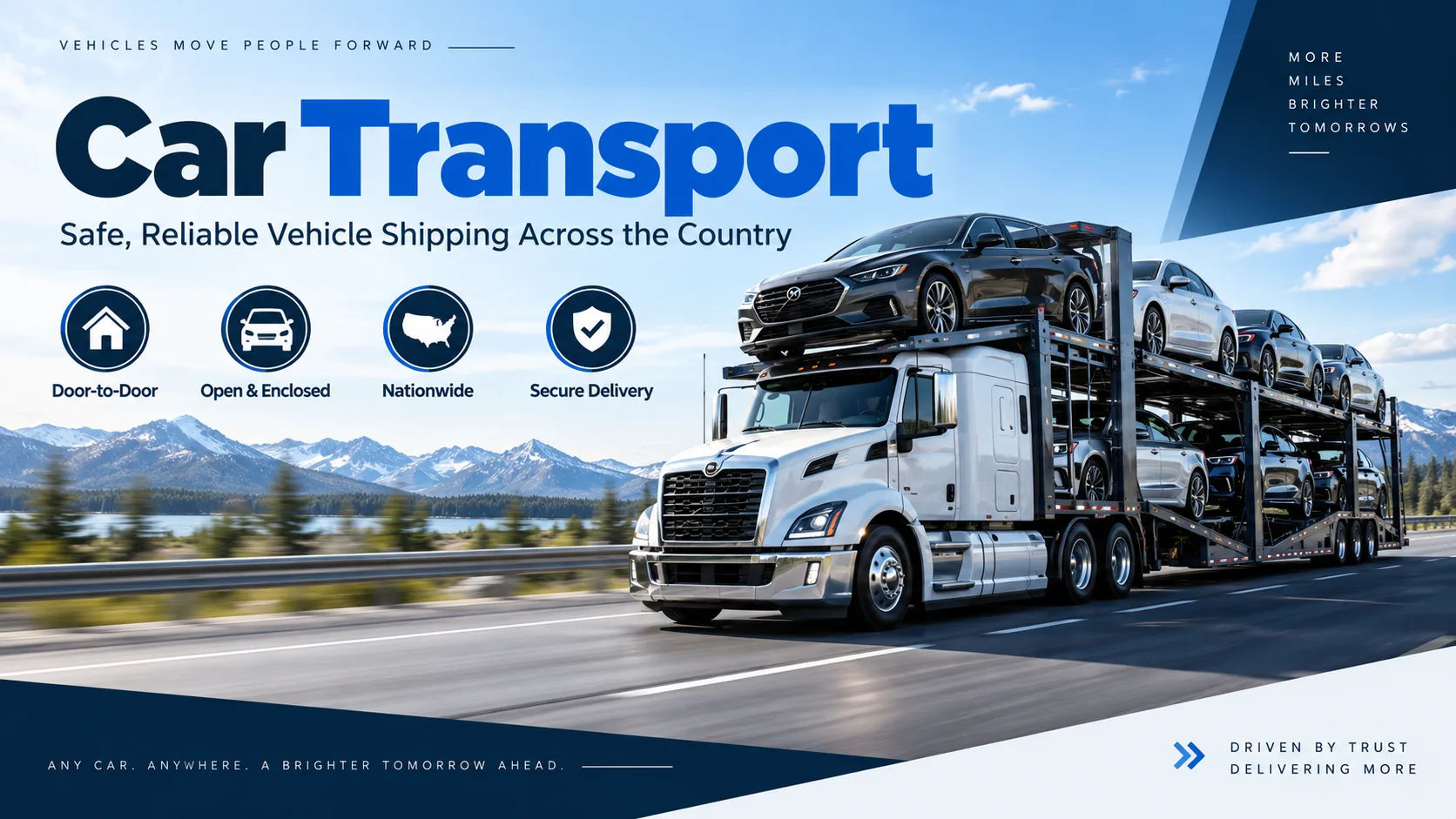
Whether you are relocating, buying a vehicle from another state, sending a car to a family member, or simply avoiding a long-distance drive, understanding how the process works can make the experience much easier.
A typical shipment involves requesting a quote, choosing a transport method, booking the service, assigning a carrier, preparing the vehicle, completing an inspection at pickup, transporting the vehicle, and inspecting it again at delivery.
What Is Nationwide Auto Transport?
Nationwide auto transport is the process of moving a vehicle from one location to another using a professional auto transport carrier that operates across multiple states or regions.
Instead of driving your car hundreds or thousands of miles yourself, the vehicle is loaded onto a specialized trailer and transported toward its destination.
Most standard shipments use an open carrier, which can carry several vehicles at once. Enclosed carriers are also available when additional protection from weather and road conditions is important, particularly for classic, luxury, exotic, or highly valuable vehicles.
The exact process can vary between companies, but the basic sequence remains similar. You arrange the shipment, a carrier is assigned, the vehicle is inspected and loaded, it travels to the destination, and a final inspection takes place before delivery is completed.
How Does Nationwide Auto Transport Work Step by Step?
Understanding each stage removes much of the uncertainty surrounding vehicle shipping.
Step 1: Request an Auto Transport Quote
The process normally starts with a quote.
You provide information such as your pickup location, destination, vehicle year, make and model, running condition, desired pickup date, and preferred transport method. These details help the transporter determine how the shipment should be handled.
The distance between the two locations is obviously important, but it is not the only factor affecting the price. Vehicle size, route demand, pickup timing, carrier availability, transport type, and whether the vehicle is operational can all influence the final cost.
For this reason, an unusually low quote should not automatically be considered the best option. It is important to understand what is included and whether the quoted amount reflects the actual transportation requirements.
Step 2: Choose Open or Enclosed Transport
One of the first decisions is whether to use open or enclosed transportation.
Open transport is the most common option. Your vehicle travels on an open multi-car trailer alongside other vehicles. Because the carrier can transport several cars simultaneously, this method is generally more economical.
Enclosed transport places the vehicle inside a covered trailer. It provides greater protection from weather and road debris and is often selected for high-value, classic, collectible, or specialty vehicles.
For an ordinary daily driver, open transport is often sufficient. For a vehicle where maximum protection is a priority, enclosed shipping may make more sense.
Step 3: Book the Shipment
Once you are comfortable with the quote and transportation arrangements, you book the shipment.
At this stage, make sure the pickup and delivery information is accurate. Check the vehicle details, dates, transport type, payment terms, and cancellation conditions.
It is also important to understand whether you are working directly with a motor carrier or with a broker. A broker typically coordinates the shipment and connects the customer with a carrier that physically transports the vehicle.
A reliable company should clearly explain who will be responsible for transporting your vehicle.
Step 4: A Carrier Is Assigned
After booking, a carrier is assigned to the shipment.
The driver needs to have a route that makes practical sense for your pickup and delivery locations. Because auto transporters are moving multiple vehicles along established routes, pickup and delivery usually operate within time windows rather than guaranteed exact hours.
The driver or transportation coordinator normally contacts you before pickup to confirm the arrangements.
This is one reason flexibility can be helpful. A carrier may need to coordinate several vehicles and multiple stops during the same trip.
What Happens Before the Vehicle Is Picked Up?
Preparing your car properly can prevent unnecessary problems.
First, remove personal belongings and valuables from the vehicle. You should also remove loose items that could move around during transportation.
Clean the exterior if possible. A reasonably clean vehicle makes it much easier to identify scratches, dents, paint issues, and other existing damage during the inspection.
It is also sensible to photograph the vehicle from multiple angles before the driver arrives. Include close-up photographs of existing scratches, dents, wheels, bumpers, glass, and other areas that already show wear.
Check the tires, battery, and visible fluid leaks. The vehicle should also have enough fuel to operate when necessary, without carrying an unnecessarily full tank. Some transport companies provide their own specific preparation requirements, so follow the instructions in your shipping agreement.
What Happens During Pickup?
Pickup is one of the most important stages of nationwide auto transport because the vehicle's condition needs to be documented before it begins its journey.
The driver meets you or an authorized representative at the agreed pickup location. Before loading the car, you and the driver inspect it together.
The vehicle's existing condition is recorded on a Bill of Lading, commonly called a BOL. This document records important shipment information and provides a condition record that can later be compared with the vehicle at delivery.
Take this inspection seriously.
Look around the entire vehicle rather than quickly signing the paperwork. Existing scratches or dents should be documented accurately. Your photographs can also provide useful supporting evidence.
Once the inspection is completed, the vehicle is loaded onto the carrier.
Can the Driver Pick Up the Vehicle at My Door?
Many nationwide auto transport services offer door-to-door transportation, but "door-to-door" does not always mean that a large carrier truck can physically park directly outside your house.
Transport trailers are large vehicles. Narrow streets, low bridges, tight turns, restricted roads, heavy traffic, or local regulations can make direct access difficult.
When the carrier cannot safely reach the exact address, the driver may arrange a nearby meeting point with enough space to load or unload the vehicle.
This is not necessarily a sign that something has gone wrong. Safety and accessibility take priority over reaching a specific driveway.
What Happens While the Car Is in Transit?
Once your vehicle is loaded and secured, the carrier begins the journey.
The car travels with the carrier along its planned route. Depending on the shipment, the truck may make several stops to pick up or deliver other vehicles.
During transportation, the vehicle is secured to the trailer using appropriate equipment. The driver is responsible for operating the carrier and transporting the vehicles according to the carrier's procedures.
Communication during this stage can vary. Some companies provide regular updates, while others rely primarily on driver calls around major milestones.
It is worth remembering that estimated transit times are not always exact. Traffic, weather, road conditions, carrier schedules, and pickup delays can affect arrival times.
For a cross-country shipment, you should plan around a delivery window rather than assuming your vehicle will arrive at a precise hour.
How Long Does Nationwide Auto Transport Take?
Transit time depends heavily on the route.
A relatively short regional shipment may take only a few days, while a coast-to-coast shipment can take approximately a week or longer depending on circumstances. Current industry guidance commonly describes regional shipments in the range of a few days and many cross-country shipments around seven to ten days, although actual schedules vary.
The distance itself is only part of the calculation.
A route with strong carrier availability may move quickly. A remote pickup location or less frequently traveled route can take longer because finding a carrier willing to make the trip may require additional coordination.
Weather, traffic, mechanical issues, and unexpected road conditions can also affect the schedule.
What Happens at Vehicle Delivery?
Delivery is essentially the reverse of pickup.
The driver normally contacts you ahead of arrival so you can be available or arrange for an authorized person to receive the vehicle. Once the carrier reaches the delivery location, the vehicle is unloaded.
Before signing the final paperwork, inspect the vehicle carefully.
Compare its condition with the pickup inspection and your original photographs. Walk around the entire vehicle and check the body panels, bumpers, wheels, windows, mirrors, and other visible areas.
Do not rush this step.
The final inspection is your opportunity to identify new damage that may have occurred during transportation.
If you find new damage, document it on the Bill of Lading before completing the delivery sign-off. Transport companies specifically emphasize the importance of recording damage on the delivery documentation.
What Is the Bill of Lading?
The Bill of Lading is one of the most important documents in the vehicle shipping process.
It records information about the shipment and, importantly, the vehicle's condition at pickup and delivery.
At pickup, you and the driver use it to document the vehicle's existing condition. At delivery, the vehicle is inspected again and the condition is compared with the original record.
If there is a disagreement about damage, the BOL and photographs can become important evidence.
For that reason, never treat the inspection paperwork as something that can simply be signed without reading.
Is the Vehicle Insured During Transport?
Professional auto carriers generally carry cargo insurance, but customers should not assume that every type of loss or every circumstance is automatically covered.
Insurance limits, exclusions, deductibles, claim procedures, and carrier policies can differ.
Before shipping, ask for information about the carrier's insurance coverage and understand what it actually protects.
If damage occurs, documentation is particularly important. The pickup condition report, delivery condition report, photographs, and other shipment records can help establish what happened.
It is also important to follow the carrier's claim procedure and report damage within the required timeframe.
What Can Cause Delays?
A common misconception is that the transporter controls every part of the schedule.
In reality, several factors can affect delivery.
Weather is one example. Severe storms can make certain roads unsafe and force drivers to change their routes.
Traffic and road closures can also cause delays. Carrier availability can affect pickup timing, especially for less common routes.
The condition and size of the vehicle can matter as well. Inoperable, oversized, or modified vehicles may require specialized equipment and additional planning.
Providing accurate information when booking gives the transporter a better chance of arranging the correct equipment and avoiding preventable delays.
How Can You Make Nationwide Auto Transport Easier?
The best approach is to prepare before the carrier arrives.
Keep your pickup and delivery information accurate. Clean and photograph the vehicle. Remove personal belongings. Keep your keys and required documents available.
Give yourself enough scheduling flexibility whenever possible.
Most importantly, communicate clearly with the transporter. If your street has restrictions, mention them before pickup. If the vehicle does not run, say so. If the car has modifications that affect its dimensions or operation, disclose them.
Small details can make a significant difference.
A smooth shipment is usually the result of accurate information, realistic scheduling, good documentation, and communication between the customer and transportation provider.
Common Mistakes to Avoid
One mistake is choosing a transporter based entirely on the lowest advertised price.
Another is failing to document the vehicle before pickup. Without photographs and an accurate condition report, proving the vehicle's previous condition can become more difficult.
Some customers also assume that the driver will arrive at an exact time. Auto transport normally works with pickup and delivery windows because drivers are managing long-distance routes and multiple vehicles.
Finally, do not sign the final delivery paperwork without inspecting the vehicle.
Take a few extra minutes. Compare the car with the pickup documentation and make sure any new issues are recorded before the shipment is closed.
Conclusion
The nationwide auto transport process is much less complicated once you understand what happens at each stage. It generally begins with a quote, followed by booking and carrier assignment. The vehicle is then prepared, inspected, loaded, transported, unloaded, and inspected again at delivery.
The most important parts of the process are not particularly complicated. Provide accurate vehicle and route information, choose the appropriate transport method, prepare the car properly, document its condition at pickup, and inspect it carefully when it arrives.
You should also keep realistic expectations about timing. Long-distance vehicle transportation involves traffic, weather, carrier schedules, road conditions, and other variables that can affect delivery.
Ultimately, good documentation and communication make the biggest difference. When you understand the Bill of Lading, know how the pickup and delivery inspections work, and understand the limitations of door-to-door service, you can approach vehicle shipping with far fewer surprises. A well-organized nationwide auto transport shipment should feel less like handing over your car and hoping for the best, and more like a clearly documented transportation process with defined steps from beginning to end.