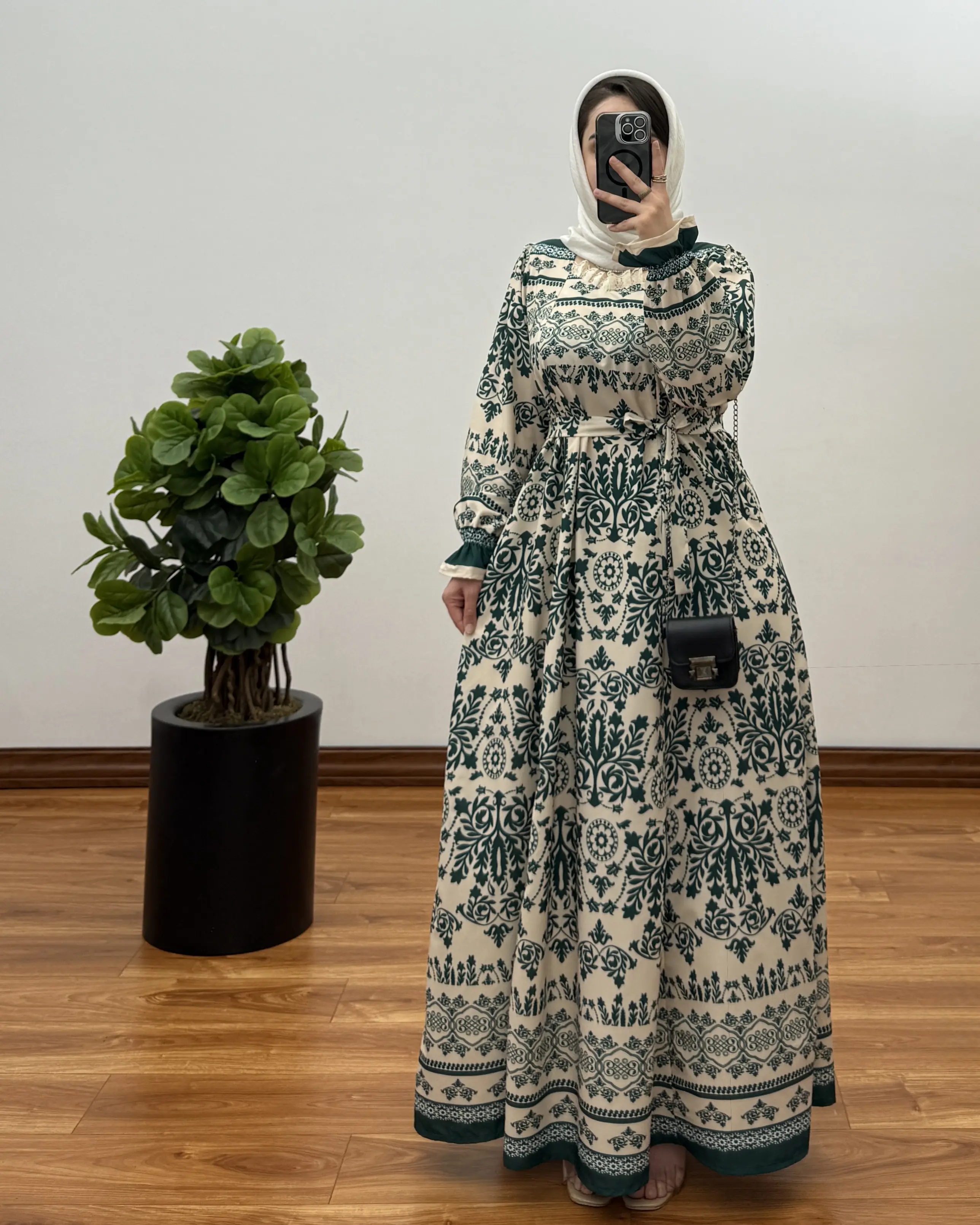
Can private label clothing manufacturer make small batches?
Yes, a private label clothing manufacturer can often make small batches, but the minimum order quantity depends on the manufacturer, garment type, production method, fabric choice, and customization level. Small-batch production has become increasingly useful for new clothing brands because it allows businesses to test designs without committing to a large inventory.
For an emerging fashion brand, ordering thousands of garments before knowing what customers actually want can be a major financial risk. Small production runs provide a more controlled way to introduce products, collect customer feedback, and understand demand.
However, small batches do not always mean low costs. Manufacturers still have setup expenses, fabric requirements, pattern development, sampling costs, cutting charges, and labor costs. Understanding how these factors work will help you determine whether small-batch private label production is suitable for your brand.
What Does Small-Batch Private Label Clothing Mean?
Small-batch clothing production refers to manufacturing a relatively limited quantity of garments in one production run. Instead of ordering several hundred or several thousand pieces, a brand may start with a much smaller quantity.
There is no universal definition of a "small batch." One factory might consider 50 pieces a small order, while another may require 100, 200, or more pieces.
The important point is that the production quantity is below the manufacturer's normal minimum order quantity.
A private label clothing manufacturer produces garments that are sold under another company's brand. The manufacturer may handle fabric sourcing, cutting, sewing, labeling, finishing, packaging, and other production stages according to the brand's requirements.
Small-batch production simply changes the scale of that process.
Why Do Clothing Brands Choose Small Batches?
Small batches are particularly attractive to new and growing brands.
A startup may have a strong clothing concept but limited information about customer demand. Producing a huge quantity can tie up money in inventory before the brand has established a reliable sales pattern.
Small orders reduce that initial commitment.
Testing New Designs
One of the biggest advantages is the ability to test a design in the real market.
A brand might create a new hoodie, dress, shirt, or activewear style and produce a limited quantity. Customers can then provide feedback about the fit, colors, material, sizing, and overall appearance.
If the product performs well, the brand can place a larger repeat order.
If it performs poorly, the financial loss is generally smaller than it would have been with a large production run.
Reducing Inventory Risk
Unsold clothing can become expensive.
Fashion trends change, seasons move quickly, and customer preferences are not always predictable. Holding large quantities of a product that does not sell can consume warehouse space and working capital.
Small-batch manufacturing gives brands more control over inventory.
Instead of guessing how much customers will buy six months from now, the brand can produce closer to actual demand.
Building a Limited Collection
Small production runs can also work well for brands that intentionally sell limited collections.
A business may release a particular color, print, or design in a restricted quantity. Once it sells out, the brand can decide whether to repeat the style or introduce something new.
This approach can make inventory management more manageable while allowing the brand to experiment with its product range.
What Is the Typical Minimum Order Quantity?
There is no standard minimum order quantity across the clothing industry.
Some manufacturers may accept orders starting around a few dozen pieces, while others may require several hundred pieces per style or color.
The MOQ can also apply differently depending on what you are ordering.
For example, a factory might accept a small total quantity but require a minimum number of garments per color. Another may have separate minimums for each size or design.
This is why simply asking, "What is your MOQ?" may not give you enough information.
A better question is whether the manufacturer can produce your exact product specification at your desired quantity.
What Affects Small-Batch Minimums?
Several factors determine whether a manufacturer can economically accept a small order.
Garment Complexity
A basic T-shirt is generally easier to produce than a heavily structured jacket.
A simple garment may require fewer operations, fewer components, and less specialized equipment. Complicated garments can require multiple sewing processes, special finishing, embroidery, printing, or hardware.
The more complicated the design, the more difficult it may be to keep production economical at a very low quantity.
Fabric Selection
Fabric can have a major influence on MOQ.
Manufacturers may already keep common fabrics in stock. However, unusual materials, custom colors, specialty knits, or custom-developed fabrics may require minimum purchasing quantities from textile suppliers.
This creates a challenge for small brands.
Even if the clothing factory is willing to make 50 garments, the fabric supplier may require a much larger quantity. The manufacturer may therefore charge more or recommend an existing fabric option.
Custom Colors
Color requirements can affect minimum quantities as well.
If you want a standard fabric color, the manufacturer may already have access to it. If you want a completely custom shade, dyeing may involve additional setup and minimum quantities.
This is one reason why small-batch brands often begin with readily available fabrics and colors.
Printing and Embroidery
Decorative details can introduce additional minimums.
Screen printing, embroidery, heat transfers, labels, patches, and other branding elements may each have their own setup costs.
A small garment order can therefore become relatively expensive when it includes multiple customized components.
Is Small-Batch Manufacturing More Expensive?
Usually, yes, the per-unit price is higher.
This does not necessarily mean small-batch production is a bad deal.
Manufacturing involves both variable and fixed costs. Fabric and sewing labor vary with the number of garments, while certain expenses such as pattern preparation, sampling, machine setup, artwork preparation, and production planning may occur regardless of whether you make 50 pieces or 500.
When those fixed expenses are spread across fewer garments, each garment carries a larger share of the cost.
For example, a manufacturer might be able to produce 1,000 identical shirts efficiently because the production line can run continuously. Producing only 50 may require similar preparation but generates far fewer finished products.
That is why the price per garment often decreases as the order quantity increases.
How Can You Keep Small-Batch Costs Under Control?
Working with a private label clothing manufacturer does not mean you have to accept every available customization option.
Keeping the initial design relatively focused can make a significant difference.
Choose fabrics that are readily available where possible. Avoid unnecessary color variations. Limit complicated trims and decorative details until you know the product has market demand.
You can also reduce costs by creating a small collection using the same base fabric across several designs.
Another useful strategy is to prioritize the details that actually define your brand.
A high-quality custom label, appropriate fit, strong fabric, and professional finishing may matter more than adding several expensive decorative elements.
Can You Get Custom Branding With a Small Order?
In many cases, yes.
Private label production commonly includes branding elements such as woven labels, printed neck labels, hangtags, packaging, and other brand-specific details.
However, these components may have their own minimum quantities.
A manufacturer may be willing to make 50 garments but may need to order 100 or 500 custom labels from a third-party supplier. Some factories may hold unused labels for future production, while others may pass the additional cost to the customer.
Before placing an order, ask how branding materials are handled.
It is also worth asking whether unused materials remain your property and whether they can be stored for your next production run.
What Products Work Best for Small Batches?
Some garments are particularly suitable for small-scale testing.
Basic T-shirts, sweatshirts, hoodies, leggings, casual tops, simple dresses, and straightforward streetwear pieces can often be easier to produce in limited quantities.
More technically demanding products can still be manufactured in small batches, but costs may be higher.
Outerwear, tailored garments, complex activewear, structured dresses, and garments with many components may require more development and production work.
The best starting product is usually one that combines your brand's identity with a manageable manufacturing process.
Small Batch vs. Large Batch Production
Small and large production runs serve different purposes.
Small batches are useful when a brand is testing the market, launching a new product, managing limited capital, or experimenting with new designs.
Large batches are more appropriate when demand is predictable and the brand already has evidence that a product sells consistently.
The decision should not be based solely on the lowest unit price.
A lower manufacturing price does not help if half of the inventory remains unsold.
For many new brands, paying slightly more per garment can be financially sensible if it reduces the risk of purchasing excessive inventory.
What Should You Ask a Manufacturer Before Ordering?
Before committing to production, ask detailed questions about the minimum order and the conditions attached to it.
Find out whether the MOQ applies per style, color, fabric, or total order.
Ask whether samples are included or charged separately. Confirm whether custom labels and packaging have separate minimums.
You should also ask about production timelines.
A small order does not automatically mean it will be completed immediately. Sampling, material sourcing, pattern adjustments, production scheduling, quality control, and shipping can all affect the timeline.
Ask for a clear production schedule before paying a deposit.
Why Sampling Is Still Important
Small production does not eliminate the need for a sample.
In fact, sampling becomes especially important when you are producing a new design.
The sample allows you to inspect the fabric, stitching, measurements, construction, labeling, printing, and overall appearance before approving the full batch.
Do not assume that a design sketch or reference photograph guarantees the final garment will look exactly the same.
Fit is particularly important.
A garment can look excellent on paper but have problems with sleeve length, shoulder width, body length, neckline shape, waistband tension, or sizing.
Correcting these issues after mass production can be costly.
How to Find a Manufacturer That Accepts Small Orders
Start by looking specifically for manufacturers that advertise low or flexible MOQs.
Do not rely solely on a manufacturer's general statement that it offers private label services. Ask for the actual MOQ for your product.
Give the manufacturer useful information about your project, including the garment type, estimated quantity, fabric preference, number of colors, branding requirements, and target market.
The more specific your request, the more accurate the manufacturer's response is likely to be.
It is also useful to compare several manufacturers rather than choosing the first company that agrees to a small order.
Look at sample quality, communication, production capabilities, pricing, lead times, quality control, and customization options together.
The cheapest quote is not necessarily the best option.
What Are the Risks of Small-Batch Production?
Small batches reduce inventory risk, but they do not eliminate manufacturing risks.
A manufacturer may prioritize larger orders during busy periods. Production costs may be higher. Certain materials may be difficult to source in small quantities.
There can also be consistency issues when a brand repeatedly orders very small quantities using different fabric lots.
Fabric color and texture can sometimes vary between production batches.
If consistency matters to your brand, maintain detailed specifications for fabric, measurements, colors, stitching, labels, and finishing.
Your approved sample can serve as an important reference for future production.
Can Small Batches Support a Growing Clothing Brand?
Absolutely.
Many clothing businesses begin with limited production and increase their quantities after identifying products that consistently sell.
The goal is not necessarily to manufacture small quantities forever.
The goal is to use small quantities intelligently.
A first production run can provide information about customer demand. The next order can be adjusted based on sales data and customer feedback.
Over time, successful products can move from small-batch production to larger manufacturing runs, potentially lowering the unit cost.
This creates a more controlled path from product idea to established collection.
Questions to Ask Before Placing a Small-Batch Order
A few practical questions can prevent expensive misunderstandings.
Ask what the exact MOQ is for each design and color. Confirm the sample price and whether it is refundable against a production order.
Ask which fabrics are available at low quantities and whether custom fabric development is possible.
Confirm the price of labels, tags, packaging, printing, embroidery, and other branding elements.
You should also clarify payment terms, production lead time, quality standards, inspection procedures, shipping arrangements, and what happens if the finished garments do not match the approved specifications.
Getting these details in writing is much safer than relying on informal conversations.
Conclusion
A private label clothing manufacturer can often make small batches, and this option can be extremely useful for new fashion brands. It allows businesses to test designs, reduce inventory exposure, gather customer feedback, and gradually increase production as demand becomes clearer.
The main limitation is economics. Small quantities can cost more per garment because setup, sourcing, sampling, and production expenses are spread across fewer pieces. Material suppliers and branding vendors may also impose their own minimum quantities.
The smartest approach is to treat small-batch manufacturing as a testing strategy rather than simply a way to get the lowest possible price. Start with a manageable product, use a practical fabric, keep unnecessary customization under control, approve a detailed sample, and understand every MOQ and additional charge before production begins.
If the first batch sells well, you have something valuable: evidence. You can use that evidence to place larger orders, negotiate better pricing, improve the design, and build your collection with much less guesswork. For a growing clothing brand, that flexibility can be more valuable than saving a few cents on the first production run.