What can custom private label manufacturer customize?
When building a clothing brand, one of the biggest advantages of private labeling is the ability to create products that look and feel like they belong specifically to your brand. Instead of choosing a completely finished garment and simply adding a logo, you can work with a private label clothing manufacturer to customize many parts of the product, from fabric and colors to labels, packaging, sizing, stitching, and finishing details.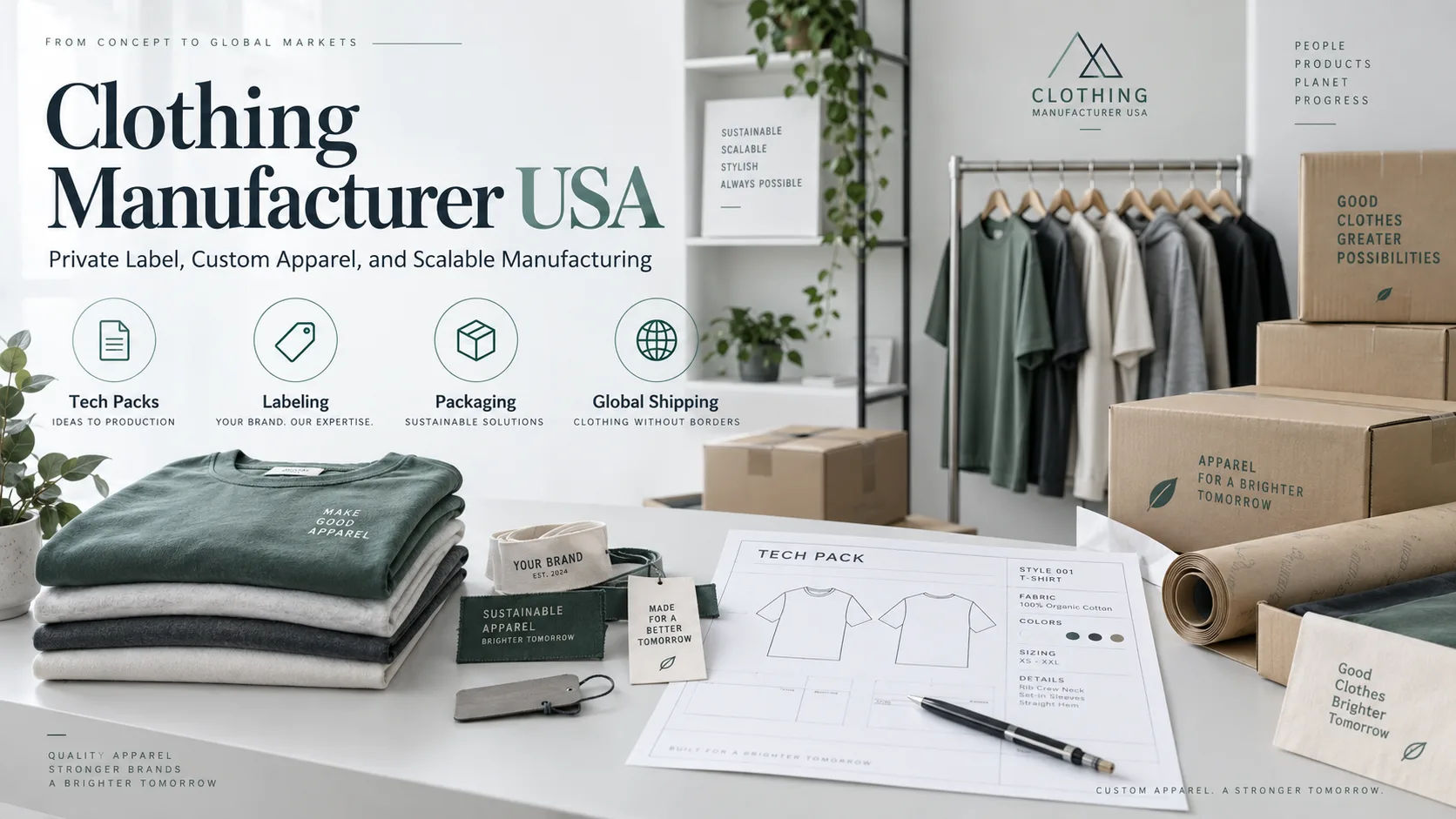
This level of customization gives brands much more control over their identity. It also allows businesses to create products for a specific target audience instead of competing with generic garments that look similar to everything else on the market. However, the exact customization options depend on the manufacturer, production method, minimum order quantity, budget, and type of clothing being produced.
Understanding what can actually be customized makes it easier to plan a collection, communicate with manufacturers, control costs, and avoid surprises during production.
Fabric and Material Selection
One of the first things a manufacturer can customize is the fabric. Material selection has a major effect on how a garment looks, feels, performs, and sells.
For example, a brand producing everyday T-shirts might choose cotton, organic cotton, cotton blends, polyester, or other performance fabrics. A premium fashion label may prefer heavier fabrics with a distinctive texture and weight.
You can often discuss the fabric weight, composition, stretch, softness, durability, breathability, and surface finish with the manufacturer.
Fabric Weight
Fabric weight is particularly important for clothing brands because it affects the overall quality and appearance of a garment.
A lightweight T-shirt may work well for summer collections, while a heavyweight T-shirt can create a more structured and premium appearance.
Manufacturers can usually provide fabric samples so you can compare different options before approving production.
Fabric Composition
You may also be able to specify the percentage of different fibers used in the garment.
For example, a brand could request a cotton-polyester blend for durability and easier care. Another brand might want a higher percentage of natural fibers for a particular market position.
The right choice depends on the product, customer expectations, price point, and intended use.
Garment Colors
Color customization is another important area of private label production.
Rather than being limited to standard colors, brands can often request specific shades that match their visual identity. This could include custom neutrals, seasonal colors, bright shades, muted tones, or carefully selected brand colors.
A private label clothing manufacturer may use color references, fabric swatches, or standardized color systems to achieve a closer match.
Custom Dyeing
Custom dyeing can make a product look considerably different from a standard blank garment.
Depending on the fabric and production process, manufacturers may offer garment dyeing, piece dyeing, reactive dyeing, pigment dyeing, or other techniques.
The choice matters because different dyeing methods can produce different levels of color consistency, softness, fading, and visual character.
Brands should always approve a physical color sample before committing to a large production run.
Custom Prints and Graphics
Printing is one of the most common customization requests in private label clothing.
A brand can provide its own artwork, logo, illustration, typography, pattern, or other graphic design. The manufacturer then determines the most suitable printing method.
Common options include screen printing, digital printing, heat transfer, sublimation, and specialty techniques.
Placement of Artwork
The artwork does not necessarily have to appear in the center of the chest.
Brands can request printing on sleeves, backs, pockets, legs, collars, or other suitable areas.
Small placement changes can completely alter the appearance of a garment, so it is useful to provide clear technical drawings or mockups.
Print Size and Finish
Print size can also be customized. A small logo creates a subtle appearance, while a large graphic can become the main visual feature of the garment.
The finish may also be adjusted depending on the printing technique. Some prints have a smooth appearance, while others can have texture, thickness, shine, or a vintage effect.
Embroidery and Embroidered Logos
Embroidery is another popular customization option, especially for premium casualwear, jackets, sweatshirts, polos, caps, and uniforms.
A manufacturer can often embroider a brand logo, initials, artwork, or decorative design directly onto the garment.
The embroidery itself can be customized through thread colors, stitch density, dimensions, placement, and design style.
For detailed artwork, the original design usually needs to be converted into an embroidery-ready file through digitizing.
Embroidery Placement
Common placements include the left chest, sleeves, cuffs, back, pockets, caps, and hats.
Placement should be considered alongside the garment construction. Seams, zippers, pockets, and fabric thickness can affect the quality of embroidery.
Labels and Branding
Private labeling becomes particularly valuable when a business wants customers to see its own branding rather than the manufacturer's identity.
A private label clothing manufacturer can often produce and attach custom brand labels according to the brand's specifications.
This may include the main neck label, size label, care label, and additional branding elements.
Woven and Printed Labels
Woven labels are commonly used for fashion brands because they can provide a polished and durable appearance.
Printed labels can be useful when a design requires more detailed information or when a softer label is preferred.
The brand can often customize the label's dimensions, colors, typography, logo, and information.
Care and Size Labels
Care labels can contain washing instructions, fabric composition, country-of-origin information, and other required details.
Size labels can also be customized to match the brand's preferred sizing system.
These small details may seem insignificant, but they contribute to the overall professionalism of the finished product.
Garment Fit and Sizing
A major advantage of custom manufacturing is the ability to influence garment fit.
Brands can develop a particular silhouette instead of accepting the standard measurements of an off-the-shelf product.
This can include oversized, relaxed, slim, regular, cropped, longline, fitted, or boxy designs.
Custom Measurements
A manufacturer may work from a measurement specification sheet, often called a tech pack.
The document can contain measurements for chest width, body length, sleeve length, shoulder width, waist, hip, rise, cuff dimensions, and other relevant points.
The more accurately these specifications are prepared, the easier it is for the production team to understand the desired fit.
Size Grading
Once the base size has been approved, the manufacturer can create measurements for additional sizes.
This process is known as grading.
Good grading is important because simply increasing every measurement by the same amount does not always produce a comfortable and attractive fit across different body sizes.
Garment Construction
A private label clothing manufacturer can also customize many construction details.
These may include seams, stitching, hems, cuffs, collars, pockets, closures, panels, linings, and other structural elements.
For example, a sweatshirt could have a standard ribbed cuff or a more specialized cuff design. A jacket could have different pocket shapes, lining materials, zipper types, and collar constructions.
Construction decisions affect both appearance and durability.
Zippers, Buttons, Snaps, and Hardware
Hardware can become an important part of a garment's identity.
Depending on the product, brands may customize zipper types, zipper colors, pulls, buttons, snaps, buckles, eyelets, cords, and other components.
A fashion brand might choose metal hardware for a premium appearance, while a sportswear company may prioritize lightweight and functional components.
Some manufacturers can even produce custom zipper pulls or branded buttons featuring the company's logo.
Pockets and Functional Features
Pockets are another feature that can often be changed during development.
You may be able to specify pocket size, shape, position, opening style, construction, and fabric.
For cargo trousers, for example, pocket placement and dimensions can become a major part of the product's design.
Functional details such as adjustable cuffs, drawstrings, elastic waistbands, thumbholes, vents, and reinforced sections can also be incorporated depending on the garment.
Necklines, Collars, and Cuffs
Small design features can have a surprisingly large effect on the overall appearance of clothing.
A T-shirt can use different neck shapes and rib constructions. Sweatshirts can have different collar and cuff treatments. Shirts can feature different collar shapes and placket designs.
A manufacturer can help translate these ideas into practical production specifications.
Washing and Finishing Treatments
Some clothing products are customized through finishing treatments rather than major construction changes.
Depending on the garment, manufacturers may offer processes such as garment washing, enzyme washing, stone washing, softening, distressing, brushing, or other finishes.
These treatments can affect the garment's texture, color, softness, and appearance.
For denim and casualwear in particular, finishing can be a major part of the final product's character.
Custom Packaging
Customization does not necessarily stop when the garment leaves the production line.
A private label clothing manufacturer may also offer customized packaging options.
These can include branded polybags, boxes, tissue paper, stickers, hang tags, cards, ribbons, barcode labels, and other packaging components.
Custom packaging can help create a more consistent experience when the customer receives the order.
Hang Tags
Hang tags can include the brand name, logo, product information, pricing area, website, social media details, or a short brand message.
Their design should match the overall visual identity of the clothing line.
Branded Packaging
Branded packaging can be particularly useful for direct-to-consumer businesses.
A customer who receives a carefully packaged product may immediately recognize that the item comes from a specific brand.
This creates another opportunity to communicate quality before the garment is even worn.
Custom Product Development
Customization is not limited to changing an existing garment.
Some manufacturers can develop an entirely new product from a concept, sketch, reference sample, technical drawing, or tech pack.
This process may involve pattern development, sampling, fitting, revisions, and final approval.
A private label clothing manufacturer with strong product-development capabilities can help transform a rough concept into a production-ready garment.
This is particularly useful for brands that have creative ideas but do not have an in-house technical team.
Custom Collections and Product Lines
Brands can also customize several garments as part of one coordinated collection.
For example, a streetwear brand could develop matching hoodies, T-shirts, sweatpants, jackets, and caps using the same colors, labels, graphics, and branding system.
This creates consistency across the collection.
Instead of treating each product as an isolated item, the manufacturer can help maintain common details throughout the range.
What Cannot Always Be Customized?
Although private label manufacturing offers extensive flexibility, not every manufacturer can customize every feature.
Some options require specialized equipment, larger minimum order quantities, expensive molds, or special materials.
Custom hardware, unusual fabrics, complicated embroidery, specialty dyeing, and unique construction methods may increase both development time and cost.
Some factories may also restrict customization for small orders because the setup costs are difficult to justify.
This is why brands should ask for a clear customization list before starting production.
Minimum Order Quantities Matter
Minimum order quantity, or MOQ, is an important consideration.
A manufacturer may accept small quantities for standard private label products but require higher quantities for custom colors, custom fabrics, special trims, or completely new designs.
For example, ordering an existing garment with a custom label may be relatively straightforward.
Creating a completely new garment with a custom fabric, special hardware, unique pattern, and custom packaging may require considerably more units.
Understanding the MOQ before development helps prevent unnecessary expenses.
Samples Should Be Approved Before Production
Never assume that a digital mockup represents the final product perfectly.
A physical sample can reveal problems that are difficult to notice on a screen.
The color may look different. The fabric may feel heavier or lighter than expected. The logo may need repositioning. The fit may require adjustment.
A professional sampling process gives the brand an opportunity to identify these issues before bulk production begins.
How to Communicate Customization Clearly
Clear communication is one of the most important parts of successful manufacturing.
Provide the manufacturer with detailed artwork, measurements, fabric requirements, color references, label designs, packaging instructions, and other specifications.
If possible, organize these details in a tech pack.
A good tech pack reduces confusion because everyone involved can refer to the same specifications.
It is also helpful to ask the manufacturer which features are included in the quoted price and which ones are considered additional charges.
Choosing the Right Manufacturer
Not every manufacturer is equally suitable for every type of customization.
When evaluating a manufacturer, look at its previous work, production capabilities, sample quality, communication process, minimum order requirements, lead times, and quality-control procedures.
A factory experienced in basic T-shirts may not necessarily be the right choice for technical outerwear.
Likewise, a manufacturer specializing in fashion garments may have better capabilities for detailed trims, custom labels, embroidery, and finishing.
Ask for relevant samples rather than relying only on general photographs.
Cost Considerations
Customization naturally affects pricing.
Fabric changes, custom dyeing, embroidery, printing, special labels, custom patterns, unique hardware, packaging, and additional sampling can all increase production costs.
However, customization does not automatically mean a product has to become unaffordable.
The key is prioritization.
A brand can focus its budget on the details customers will actually notice. For example, a business might invest in better fabric and fit while using relatively simple packaging.
Another brand may consider custom hardware and packaging essential to its premium positioning.
The best approach is to understand the cost of every customization before approving the final specifications.
Benefits of Customization for a Clothing Brand
The main benefit of working with a private label clothing manufacturer is control.
You have more influence over what the customer ultimately receives.
Customization can help establish a recognizable brand identity, create unique products, improve consistency, and differentiate a business from competitors.
It can also help a brand target a specific customer group.
For example, a business selling minimalist clothing may want neutral colors, clean labels, premium fabrics, and subtle branding.
A streetwear label may prefer oversized fits, bold graphics, embroidery, heavyweight fabrics, and distinctive hardware.
The manufacturer can help turn those brand characteristics into physical products.
Conclusion
A custom private label clothing manufacturer can customize far more than a simple logo. Depending on the factory's capabilities, brands can influence fabric, color, prints, embroidery, labels, sizing, fit, construction, pockets, hardware, finishing treatments, packaging, and even the development of completely new garments.
The most important thing is to understand which customization options are practical for your budget and order quantity. Not every feature needs to be customized. In many cases, a few carefully selected details can create a stronger product than trying to change everything at once.
Start with the elements that matter most to your customers. Fabric and fit may be the priority for one brand, while labels, embroidery, graphics, and packaging may matter more to another.
Before placing a bulk order, discuss customization options, minimum quantities, sampling fees, production timelines, and additional costs with the manufacturer. Approve physical samples and communicate specifications clearly through artwork and, when appropriate, a detailed tech pack.
When the right manufacturer and customization strategy are combined, private label production can give a clothing business much more than a branded garment. It can provide a product that reflects the brand's personality, meets its customers' expectations, and has a clear identity in a crowded clothing market.