
How thin should Fresh Smash Burgers be?
Smash burgers have become a favorite among burger lovers because of their crispy edges, rich beef flavor, and satisfying texture. Unlike traditional burgers, which are shaped into thick patties, smash burgers are pressed firmly onto a hot cooking surface to create a thin layer of meat. This simple technique helps develop a delicious brown crust while allowing the beef to cook quickly.
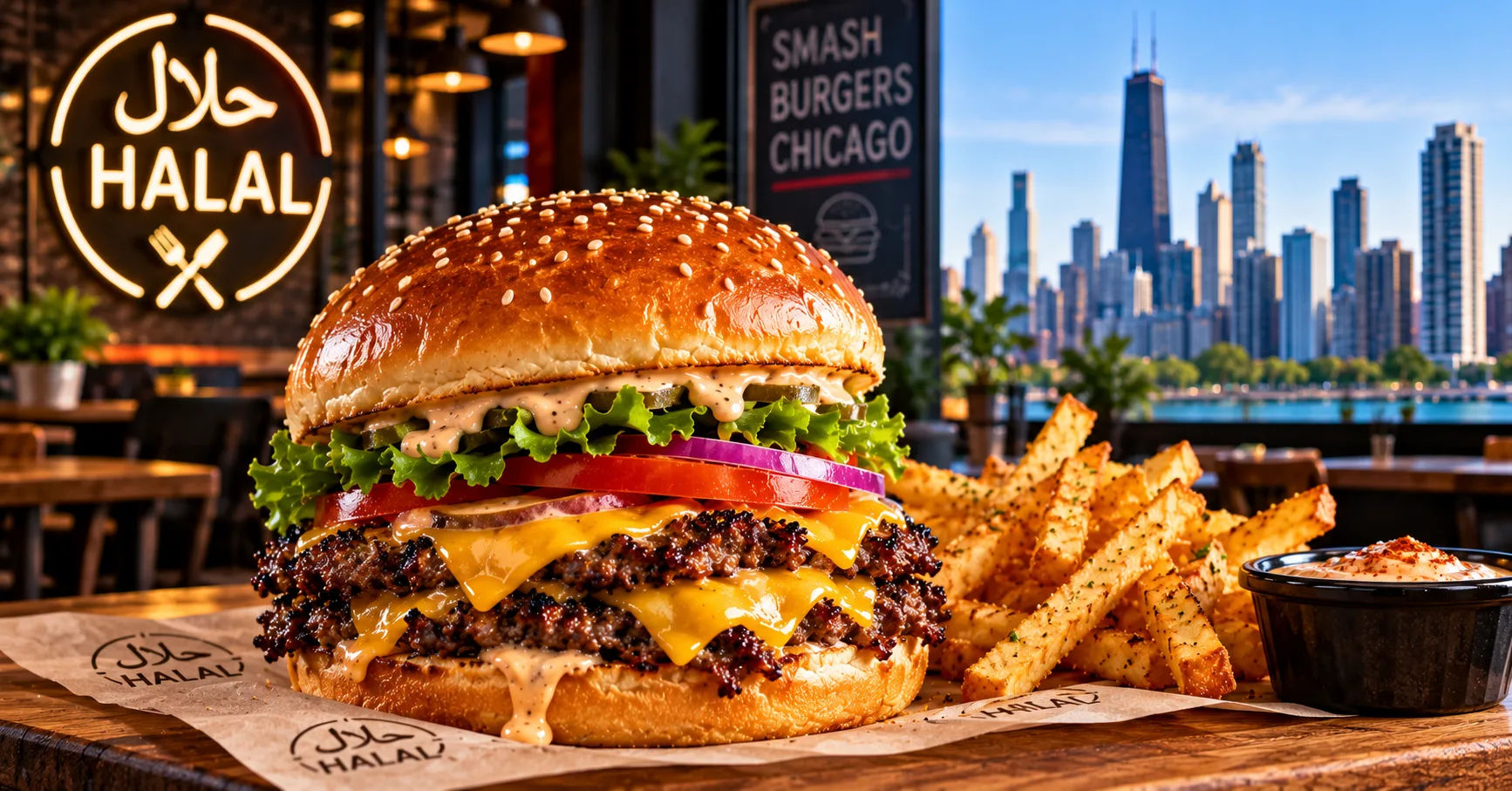
The thickness of the patty is one of the most important factors in getting the right result. If it is too thick, the burger may lose the signature crispiness that makes this style special. If it is too thin, it can become dry, fragile, or overcooked before you have time to assemble the burger.
When preparing Fresh Smash Burgers, the goal is to find the right balance between a thin, crispy exterior and a flavorful, tender bite. The ideal thickness depends on the amount of beef used, the heat of the cooking surface, and whether you plan to serve a single or double patty. Understanding these details can help you make restaurant-quality burgers at home without expensive equipment.
This comprehensive guide explains the ideal patty thickness, how to smash the beef correctly, which meat portions work best, and how to avoid common mistakes. You will also learn how cooking temperature, fat content, and burger assembly influence the final texture.
What Is the Ideal Thickness for a Smash Burger?
For Fresh Smash Burgers burgers, a useful starting point is approximately 3–5 millimeters thick immediately after smashing, before the patty cooks and shrinks. This creates a broad surface area that can develop a flavorful crust while leaving enough meat for a satisfying bite.
There is no single measurement that works for every burger. Some cooks prefer extremely thin patties with lacy, crispy edges, while others leave the center slightly thicker for a softer texture.
The important distinction is that a smash burger should be spread thinly across the hot cooking surface rather than shaped into a thick, compact disc.
A patty that is too thick may cook more like a conventional burger. It can still taste good, but it will not have the same high ratio of browned exterior to meat inside.
A properly smashed patty creates a different experience. The edges become crisp, the surface develops deep browning, and the beef flavor becomes more concentrated.
Why Thickness Matters for Fresh Smash Burgers
Thickness influences how quickly the beef cooks, how much of its surface develops a crust, and how the patty feels when you bite into it.
More Surface Area Means Better Browning
Smashing spreads the meat across the hot griddle, allowing more of it to touch the cooking surface. This encourages the Maillard reaction, the chemical process that creates many of the savory flavors associated with browned meat.
A thinner patty generally has a higher proportion of browned surface compared with its total volume. That is one reason smash burgers can taste especially rich and beefy.
However, the surface must be hot enough to brown the meat efficiently. Simply making the patty thinner will not guarantee a good crust if the pan is too cool.
Thin Patties Cook Quickly
A thin patty requires less time for heat to travel through the meat. This makes smash burgers convenient for quick meals and busy kitchens.
The downside is that they can overcook rapidly. If you leave a thin patty on the griddle for too long, it may lose moisture and become hard or dry.
Pay attention to the color of the crust, the way the patty releases from the pan, and its internal temperature.
Thickness Changes the Texture
A very thin patty produces crisp edges and a relatively even texture throughout. A slightly thicker patty provides more contrast between the browned exterior and the softer center.
Your preferred result may depend on how you plan to serve the burger. A double cheeseburger often benefits from two thin patties, while a single-patty burger may work better with a slightly larger portion.
How Thick Should Different Smash Burgers Be?
The ideal thickness can vary according to the burger style and the amount of beef you use.
Single Smash Burger
For a single burger, start with approximately 100–120 grams of ground beef. Smash it into a thin patty around 3–5 millimeters thick, adjusting the size to suit your bun.
This portion gives you enough meat for a substantial burger without losing the crisp texture associated with smash cooking.
If you prefer a more tender center, avoid spreading the beef excessively thin. Leave the middle slightly more substantial while allowing the edges to spread outward.
Double Smash Burger
A double burger usually works best with two thin patties rather than one thick patty.
For example, two portions of 75–90 grams each can produce a satisfying double burger when spread evenly. The exact size depends on the diameter of the bun and your preferred ratio of meat to toppings.
Two thin patties provide more browned surface area and allow cheese to melt between the layers. This creates a rich, savory bite without making the burger excessively tall or difficult to eat.
Extra-Crispy Smash Burger
If you enjoy crispy, lacy edges, use a relatively small portion of beef and spread it widely across a hot cooking surface.
The edges should become thin enough to brown and crisp, while the central area remains connected to the rest of the patty.
Be careful not to create large gaps or break the patty into separate pieces. You want crisp edges, not a collection of loose crumbs.
Thick-Centered Smash Burger
Some people prefer a little more softness in the middle. In this case, use a slightly larger portion and avoid pressing it excessively thin.
The edges can still become crispy as the beef spreads outward, but the center will retain more substance.
This is a useful option if you enjoy smash burgers but find extremely thin patties too crunchy or dry.
How to Smash Beef to the Correct Thickness
Getting the thickness right is not just about measuring the patty. Your technique, timing, and cooking equipment all influence the final result.
Step 1: Choose the Right Amount of Beef
Start by dividing the ground beef into equal portions. For a typical homemade smash burger, portions of 75–120 grams are a useful range.
Smaller portions are ideal for thin, crispy patties, while larger portions can produce a more substantial center. Choose the amount according to your bun size and whether you are making a single or double burger.
Shape each portion into a loose ball. Avoid compressing the meat tightly because this can create a dense texture.
Step 2: Heat the Griddle Properly
A heavy cast-iron skillet or flat griddle works well because it retains heat. Preheat it over medium-high to high heat until the surface is hot enough to brown the beef quickly.
If the surface is too cool, the meat may release moisture and begin steaming instead of developing a crust. If it is excessively hot, the fat may smoke heavily and the exterior can burn before you manage the cooking process.
Use a suitable cooking surface and avoid leaving a hot pan unattended.
Step 3: Place the Beef on the Surface
Put one ball of beef onto the hot griddle. Work with a few portions at a time rather than crowding the pan.
The beef should make immediate contact with the surface. This begins the browning process and prepares the meat for smashing.
Step 4: Smash Immediately
Press the beef firmly with a sturdy metal spatula or burger press. A small piece of baking parchment can help prevent the meat from sticking to the press.
Apply enough pressure to spread the beef into a thin, even patty. Aim for approximately 3–5 millimeters as a starting point, allowing the edges to become slightly thinner than the center.
The initial press is the most important one. Once the beef has begun forming a crust, it becomes harder to spread evenly.
Step 5: Leave the Patty Alone
After smashing, allow the patty to cook without repeatedly pressing or moving it.
Continued pressure does not improve the crust. Instead, it can force out fat and juices, leaving the meat drier than necessary.
Wait until the underside has developed a deep brown crust and the patty releases sufficiently for flipping.
Step 6: Flip and Finish Cooking
Use a sturdy spatula to scrape beneath the patty and preserve the browned surface. Flip it in one smooth movement.
Because the meat is thin, the second side may cook quickly. Add cheese during the final stage if desired, and use a food thermometer to ensure ground beef reaches a safe internal temperature of 71°C (160°F).
The precise cooking time depends on the thickness, heat, and equipment, so do not rely on time alone.
What Type of Beef Works Best?
The thickness of a patty matters, but the quality and fat content of the beef also influence the result.
Choose a Suitable Fat Ratio
Ground beef containing around 20% fat is a popular starting point for smash burgers. The fat contributes flavor and helps prevent the patty from tasting excessively dry.
Very lean beef can work, but thin patties made from lean meat may become dry more easily. On the other hand, fattier beef can release more grease, so use appropriate care around the hot cooking surface.
Keep the Meat Cold Before Cooking
Refrigerate the beef until you are ready to shape the portions. Cold meat is easier to handle, and keeping raw beef properly chilled supports food safety.
You do not need to knead or season the meat extensively beforehand. Simple seasoning with salt and black pepper often allows the natural beef flavor to stand out.
Avoid Overworking the Beef
Handle the meat gently when dividing it into portions. Excessive mixing and compacting can make the cooked patty firmer than you want.
A loose ball is generally all you need. The smashing process will spread the beef into the desired shape.
Common Mistakes When Choosing Patty Thickness
Even experienced home cooks sometimes struggle to achieve the right balance between crispness and tenderness.
Making the Patty Too Thick
If the patty is too thick, the center may remain relatively soft while the outside browns. This can be enjoyable, but the result may resemble a traditional burger more than a classic smash burger.
To improve the texture, use a smaller portion or apply more even pressure during the initial smash.
Making the Patty Too Thin
An extremely thin patty can become brittle and dry, particularly if the cooking surface is too hot or the meat remains on it too long.
Rather than pressing as hard as possible, focus on creating an even layer with crisp edges. A little more thickness in the center can improve the eating experience.
Smashing Too Late
If you wait until the meat has cooked for a while before pressing it, the surface may already have started to brown and set. The patty may then break apart instead of spreading evenly.
Smash immediately after placing the beef on the hot surface.
Pressing Repeatedly
Repeated smashing is unnecessary and may force out valuable fat and juices. Make one firm initial press, then allow the patty to cook.
Using a Cold Griddle
A cold or insufficiently heated pan will not create the same crust as a properly preheated surface. Allow the pan to heat before adding the beef, and avoid overcrowding it with too many patties.
How Thickness Affects Burger Assembly
The thickness of the patty should also suit the bun and toppings. A well-cooked burger can still be disappointing if the proportions are unbalanced.
Match the Patty to the Bun
Choose a bun that is wide enough to support the patty without leaving too much bread around the edges.
For a double burger, two thin patties often fit better than one oversized patty. They also create more opportunities for cheese to melt between the layers.
Lightly toasting the bun adds flavor and helps it resist moisture from the meat and sauces.
Choose Toppings That Complement Thin Patties
Thin patties pair particularly well with sliced cheese, pickles, onions, and a modest amount of burger sauce.
These ingredients complement the browned beef without overwhelming it. Thick slices of tomato or excessive sauce can make a thin burger messy, so consider using smaller amounts.
Keep the Burger Balanced
A thin patty has less height than a conventional burger, so the amount of cheese and vegetables matters.
For a single patty, a slice of cheese, a few pickles, and a little sauce may be enough. For a double burger, you can add cheese to both patties and include onions or other toppings according to your taste.
The goal is to make each bite include meat, bread, and toppings in comfortable proportions.
Should You Measure the Patty With a Ruler?
You can measure the thickness if you want to experiment, but a ruler is not necessary for everyday cooking.
Start with the recommended range of 3–5 millimeters and adjust according to the result. If the burger is too dry, try making the patty slightly thicker or reducing the cooking time while maintaining safe internal temperature requirements.
If the burger lacks a crispy crust, check the cooking surface temperature and the amount of meat before making the patty thinner.
Consistency matters more than achieving a perfectly exact measurement. Using the same weight of beef and a similar smashing technique each time will help you produce more predictable results.
Conclusion
The ideal thickness for Fresh Smash Burgers is generally around 3–5 millimeters immediately after smashing, although the best result depends on your preferred texture, portion size, and cooking equipment. A thinner patty creates more surface contact and encourages crispy, browned edges, while a slightly thicker center can provide a softer and more substantial bite.
For a single burger, approximately 100–120 grams of beef is a useful starting point. For a double burger, two smaller portions can provide plenty of flavor and crispness without creating an excessively thick sandwich.
The most important technique is to smash the beef immediately after placing it on a properly heated griddle. Press firmly once, allow the crust to develop, and avoid pressing the patty repeatedly. Choose beef with a suitable fat content, handle it gently, and cook it to a safe internal temperature.
Remember that thickness is only one part of a successful burger. Good-quality beef, proper heat, well-chosen toppings, and a suitable bun all contribute to the final result. If your patties become dry, adjust the thickness or cooking process rather than automatically adding more fat or sauce.
With a little practice, you will learn how much pressure to apply and how thin to spread the beef for your preferred style. The best approach is to start with a consistent portion, observe how it cooks, and make small adjustments until you achieve the balance of crisp edges, rich flavor, and satisfying texture you enjoy most.