
Why does konjac jelly digest differently from jelly fruits?
When we talk about sweet, chewy snacks, jelly fruits often come to mind first. These colorful, soft treats are loved by people of all ages. However, there is another type of jelly snack that has gained attention in recent years—konjac jelly.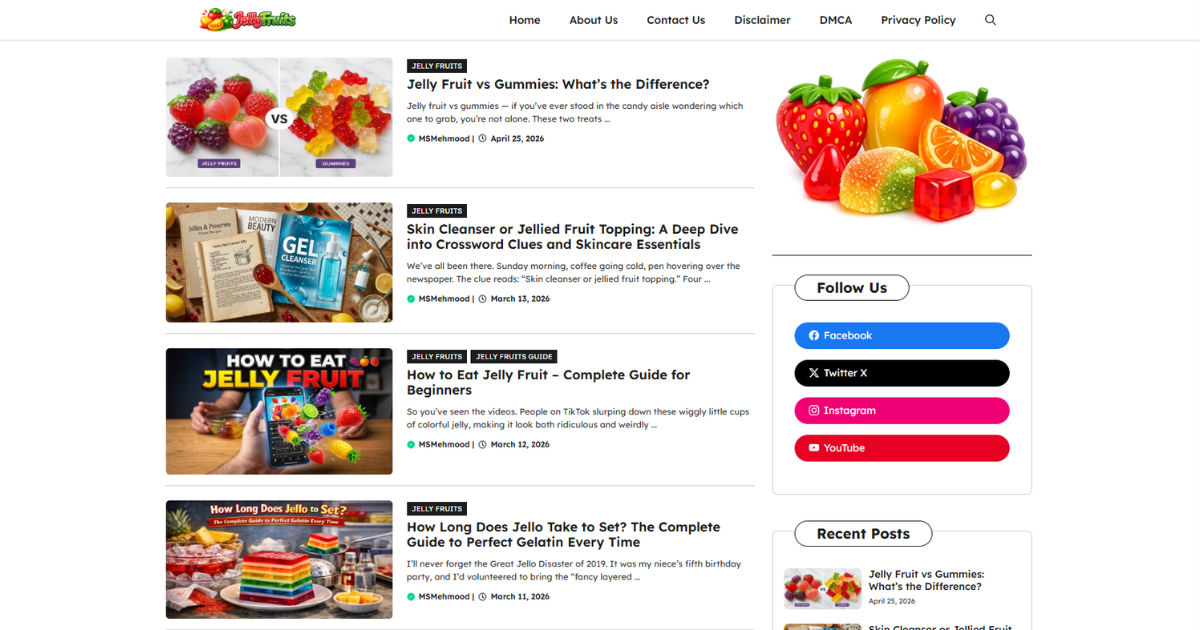
While both konjac jelly and jelly fruits may look similar, their digestion in the human body is very different. Understanding why this happens requires a closer look at their ingredients, structure, and how our digestive system processes them.
In this guide, we will explore the science behind digestion, compare konjac jelly with jelly fruits, and explain why they behave differently once consumed. This explanation is designed to be simple, clear, and helpful for a 12th-grade audience.
Jelly Fruits
jelly fruits are soft, sweet candies made using ingredients like sugar, fruit flavoring, gelatin or pectin, and water. These ingredients give jelly fruits their smooth texture and enjoyable taste.
Most jelly fruits are made with gelatin, which is derived from animal collagen, or pectin, which comes from fruits. These substances form a gel-like structure that melts easily in the mouth and breaks down quickly in the stomach.
Because of their simple composition, jelly fruits are easy for the digestive system to process. The sugars are absorbed quickly, and the gel structure does not resist digestion for long.
What Is Konjac Jelly?
Konjac jelly is made from a plant called the konjac plant. The key ingredient is glucomannan, a type of dietary fiber extracted from the root of the plant.
Unlike jelly fruits, konjac jelly is low in calories and sugar but very high in fiber. This fiber has unique properties that affect how it behaves in the digestive system.
Konjac jelly is firmer and more elastic than jelly fruits. It does not melt easily in the mouth and requires more chewing. This physical difference is the first clue that digestion will also be different.
The Role of Fiber in Digestion
One of the main reasons konjac jelly digests differently from jelly fruits is its high fiber content. Glucomannan is a soluble fiber, meaning it absorbs water and expands in the stomach.
When you eat jelly fruits, there is very little fiber involved. This allows the food to pass quickly through the digestive system. In contrast, konjac jelly slows down digestion because the fiber forms a thick gel.
This gel-like substance can stay in the stomach longer, making you feel full. This is why konjac jelly is often used as a diet or weight-loss food, while jelly fruits are simply enjoyed as a sweet snack.
Texture and Its Impact on Digestion
Texture plays a big role in how food is digested. jelly fruits are soft and easy to chew. Once swallowed, they break down quickly in the stomach.
Konjac jelly, however, has a firmer and sometimes rubbery texture. This means it requires more chewing before swallowing. If not chewed properly, it can be harder for the stomach to break it down.
Because jelly fruits dissolve easily, the digestive enzymes can act on them quickly. Konjac jelly resists this process due to its dense fiber network.
Chemical Composition Differences
Another key difference between konjac jelly and jelly fruits lies in their chemical makeup.
jelly fruits are mostly made of simple carbohydrates like sugar. These are quickly broken down into glucose and absorbed into the bloodstream.
Konjac jelly contains complex carbohydrates in the form of fiber. Human digestive enzymes cannot fully break down this fiber. As a result, it passes through the digestive system more slowly.
This difference explains why jelly fruits provide quick energy, while konjac jelly does not significantly raise blood sugar levels.
How the Stomach Processes Each Type
When jelly fruits enter the stomach, they are exposed to stomach acid and digestive enzymes. Because they are soft and sugar-rich, they dissolve rapidly.
Konjac jelly behaves differently. The glucomannan fiber absorbs water and expands, forming a thick mass. This slows down the movement of food from the stomach to the intestines.
As a result, konjac jelly stays in the stomach longer than jelly fruits. This delayed emptying contributes to prolonged fullness.
Absorption in the Intestines
In the small intestine, nutrients from jelly fruits are absorbed quickly. The sugars enter the bloodstream, providing energy.
Konjac jelly does not break down in the same way. The fiber continues to hold water and forms a gel that slows nutrient absorption.
This means that while jelly fruits lead to a rapid spike in blood sugar, konjac jelly results in a slower and more controlled absorption process.
Impact on Blood Sugar Levels
jelly fruits can cause a quick rise in blood sugar because of their high sugar content. This is followed by a rapid drop, which can lead to hunger again.
Konjac jelly, on the other hand, helps stabilize blood sugar levels. The fiber slows down glucose absorption, preventing sudden spikes.
This is one reason why konjac jelly is often recommended for people managing diabetes, while jelly fruits should be consumed in moderation.
Satiety and Hunger Control
One major difference between konjac jelly and jelly fruits is how they affect hunger.
jelly fruits are not very filling. Because they digest quickly, you may feel hungry again soon after eating them.
Konjac jelly promotes a feeling of fullness. The expanding fiber takes up space in the stomach, reducing appetite.
This difference in satiety is directly linked to how each type of jelly is digested.
Digestive Speed Comparison
The speed of digestion is another important factor.
jelly fruits are digested quickly due to their simple ingredients and low fiber content.
Konjac jelly digests slowly because of its high fiber content and gel-forming ability.
This slower digestion rate is beneficial for sustained energy and appetite control, while jelly fruits provide quick but short-lived energy.
Potential Digestive Issues
While jelly fruits are generally easy to digest, excessive consumption can lead to high sugar intake and related health issues.
Konjac jelly, if not consumed properly, can cause digestive discomfort. Because it expands in the stomach, eating large amounts without enough water may lead to bloating.
In rare cases, swallowing large pieces without chewing can pose a choking risk. This is not a concern with jelly fruits, which are softer and easier to swallow.
Nutritional Value Comparison
jelly fruits are mostly empty calories, providing sugar and little nutritional benefit.
Konjac jelly is low in calories and contains beneficial fiber. While it does not provide many vitamins, its impact on digestion makes it valuable for weight management.
This nutritional difference further explains why konjac jelly digests differently from jelly fruits.
Why the Body Treats Them Differently
The human body treats konjac jelly and jelly fruits differently because of their structure and composition.
jelly fruits are broken down into simple sugars and absorbed quickly.
Konjac jelly resists digestion and moves slowly through the system, acting more like a dietary fiber than a typical food.
This fundamental difference is the main reason behind their contrasting digestive behaviors.
Practical Implications for Diet
Understanding these differences can help you make better dietary choices.
If you need quick energy, jelly fruits can be a convenient option.
If you want to feel full longer or manage your weight, konjac jelly is a better choice.
Both have their place in a balanced diet, but they serve different purposes.
Conclusion
In summary, the reason konjac jelly digests differently from jelly fruits lies in its high fiber content, unique texture, and chemical composition. While jelly fruits are quickly broken down and absorbed due to their sugar-based structure, konjac jelly forms a gel-like substance that slows digestion and promotes fullness.
These differences affect everything from digestion speed to blood sugar levels and hunger control. jelly fruits provide quick energy but little satiety, while konjac jelly offers slower digestion and longer-lasting fullness.
By understanding how each type of jelly interacts with the digestive system, you can make more informed choices based on your health goals. Whether you prefer the sweetness of jelly fruits or the functional benefits of konjac jelly, knowing the science behind digestion helps you enjoy these treats more responsibly.
Ultimately, both konjac jelly and jelly fruits highlight how ingredients and structure can significantly influence how food behaves inside the body.